The Bhutanese Leading the way.
Globally, Non-Communicable Diseases (NCDs) such as cardiovascular diseases, cancers, chronic respiratory diseases, and diabetes are responsible for nearly 80 percent of deaths, claiming around 41 million lives each year, with 77 percent occurring in low- and middle-income countries.
Bhutan mirrors this global trend, with the Ministry of Health (MoH) reporting that 72 percent of deaths in the country are caused by NCDs, making them the single largest health challenge nationwide.
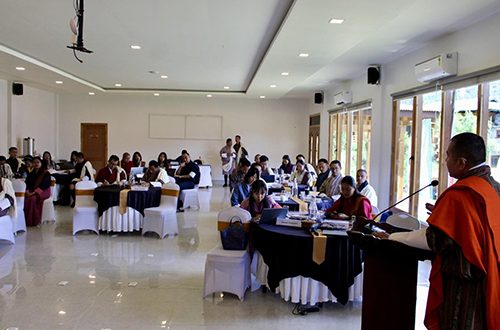
Chief Program Officer at the Ministry of Health, Laigden Dzed, said, “72 percent of deaths in Bhutan are due to NCDs, and cardiovascular diseases are the leading cause of NCD deaths.”
Cardiovascular diseases alone account for 28 percent of deaths in Bhutan.
He said that this is because of the changing lifestyles, dietary habits, reduced physical activity, and the harmful use of alcohol and tobacco.
MoH mentioned that lifestyle-related risk factors remain a major concern. Around 31.4 percent of adults use tobacco, increasing their vulnerability to cancer, heart disease, and respiratory conditions.
Harmful alcohol consumption affects 40.2 percent of the population, contributing to liver disease, cardiovascular problems, cancers, and mental health challenges.
He also said that physical inactivity is reported in 18.3 percent of Bhutanese adults, resulting in obesity, diabetes, and heart disease. Dietary habits are also troubling, with 74.6 percent consuming fewer than five servings of fruits and vegetables per day, depriving the body of essential nutrients.
Metabolic risk factors further compound the problem. Raised blood pressure affects 30.3 percent of adults, while 5.6 percent have elevated blood glucose, increasing the likelihood of diabetes-related complications.
MoH notes that addressing these risks is challenging, as behaviour change is difficult. Habits are deeply ingrained, and studies indicate it takes an average of 66 days to form a new habit.
Cultural norms around diet, alcohol, and physical activity, combined with environmental barriers like mountainous terrain and dispersed rural populations, further limit opportunities for healthy lifestyle changes in Bhutan.
In response, MoH has introduced the Quad 80 strategy, a comprehensive approach designed to prevent, manage, and control NCDs effectively.
Quad 80 focuses on four interlinked targets, each set at 80 percent.
The first is 80 percent screening coverage for hypertension and diabetes, particularly through community-based programs reaching rural populations.
The second ensures 80 percent follow-up of diagnosed individuals, supporting adherence to medications and timely treatment adjustments.
The third target emphasizes protocol-based management, providing standardized, evidence-based care.
The final goal is achieving an 80 percent control rate, where patients maintain safe blood pressure and glucose levels, reducing the risk of complications such as heart attacks, strokes, and kidney failure.
Quad 80 aligns with 13th Five-Year Plan, which prioritizes health and well-being, and contributes directly to Sustainable Development Goal 3.4, aimed at reducing premature NCD mortality by one-third by 2030.
MoH is urging Bhutanese to adopt healthier lifestyles to reduce the risk of NCDs. They emphasize the importance of regular physical activity, balanced diets rich in fruits and vegetables, and avoiding tobacco and harmful alcohol use.
Officials note that even small changes, such as daily exercise, reducing sugary or fatty foods, and quitting smoking, can significantly lower the risk of cardiovascular diseases, diabetes, and certain cancers.
MoH stresses that behaviour change is challenging, but consistent efforts can protect individuals and communities from the growing burden of NCDs.