The Bhutanese Leading the way.
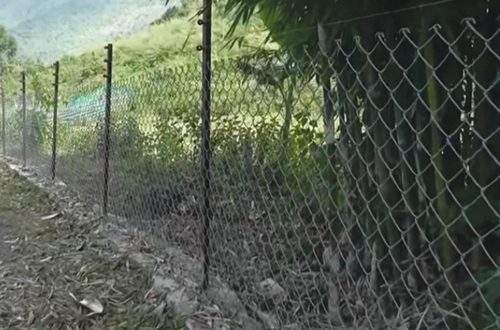
The chain-link fencing program, which began only a few years ago, has now reached an estimated 40 to 50 gewogs and around 60 to 100 chiwogs across the country, making almost 4,500 to 7,000 households feel safer, and improving rural livelihoods and food production.
So far, the project has protected more than 3,000 acres of farmland, with more areas now waiting for their turn. The government has committed Nu 5.1 billion under the 13th Five-Year Plan to expand fencing to all 205 gewogs. Officials say this is one of the largest and most important investments ever made to help rural Bhutan.
Across the country, the benefits are already visible. In some areas, fields that were abandoned for years because of wild boar attacks are being cultivated again. Farmers say the fencing has restored confidence and brought back hope.
In Wangdue Phodrang, farmers in Rubesa Gewog (Japhu village) say the fences have greatly reduced crop losses. “Every year, we lost so much to wild animals. Now our harvest is coming back,” Ap Pasang said. Pema Deki who is a farmer added, “We are planting more vegetables next year because we trust the fence will protect them.”
Local leaders say the fencing is not just about protecting crops, but about protecting communities. “When farmers lose harvests, they lose income, confidence, and motivation,” a gewog official explained. “Fencing gives them a reason to keep farming, which keeps our villages alive.”
In many places, villagers worked together to install the fencing, carrying poles, digging trenches, and helping each other complete the work. This community involvement has made the project even more meaningful. “The community build this together and I feel happy about that,” said Lhendup a volunteer in Zhemgang.
Experts also highlight the importance of balancing fencing with wildlife conservation. They say Bhutan must continue to protect animal habitats while ensuring farmers can grow food safely. “Chain-link fencing is effective, but it must be planned carefully to keep wildlife corridors open,” said an environmental specialist.
Despite the challenges, the program continues to grow rapidly. But still there are many gewogs requesting fencing, especially those facing repeated attacks from elephants, wild boars, monkeys, and deer. Some dzongkhags have even begun preparing community maps to identify priority zones. For many families, the fencing symbolises more than protection, it represents stability, hope, and a chance to farm without fear.
As Bhutan aims to expand fencing coverage nationwide in the coming years, the progress so far marks a significant national milestone, showing what can be achieved when communities, local governments, and national leaders work together for a shared goal.