The Bhutanese Leading the way.
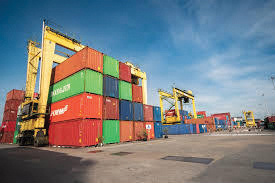
Several importers in Bhutan are facing mounting challenges as global shipping disruptions continue to affect supply chains, leading to rising costs, delayed shipments, and increasing financial strain.
Sonam, an importer said that freight costs have surged sharply since the onset of the conflict in the Gulf region. She said that immediately after the war began, the cost of container shipments rose by 500 USD, equivalent to approximately Nu 47,000, with prices continuing to increase every week.
Delays in shipment arrivals have further compounded the issue.
Another importer explained that while shipments typically take three to four weeks to reach the Phuentsholing Mini Dry Port, current consignments have taken close to two months and are still yet to arrive. The importer said that such delays result in capital being tied up for extended periods, creating financial pressure as businesses must continue to cover operational costs such as staff salaries, rent, taxes, and other miscellaneous expenses. The situation is further aggravated by the rising value of the Thai Baht, which adds to import costs.
According to The Straits Times, the disruption stems from a broader breakdown in global shipping networks. Merchant vessels, including oil tankers and cargo ships, have begun queuing at ports across Asia, including Singapore, as the effective closure of the Persian Gulf has significantly hindered maritime movement. The Strait of Hormuz, a key passage connecting the Persian Gulf with the Indian Ocean, has remained largely inaccessible, bringing the transit of hundreds of vessels per day to a near standstill.
The report stated that although a limited number of ships have managed to move in and out of the Gulf, many vessels bound for the region are choosing to anchor at trans-shipment hubs such as Singapore due to safety concerns for crew and cargo.
Amid these uncertainties, importers say it has become increasingly difficult to determine market prices for goods.

Tshering, an importer, said that multiple factors, including shipping delays, rising freight costs, and increased road transport charges, are all influencing pricing, making it challenging to set stable rates. She said that the increase in the exchange rate of the Thai Baht has also been affecting her and many others as well, since they have to pay the trading agents in Thai Baht, since they operate from Thailand.
According to The Nation of Thailand, Kasikorn Research forecasts the Thai baht will continue to strengthen through the first half of 2026, driven by rising gold prices and global economic factors.