The Bhutanese Leading the way.
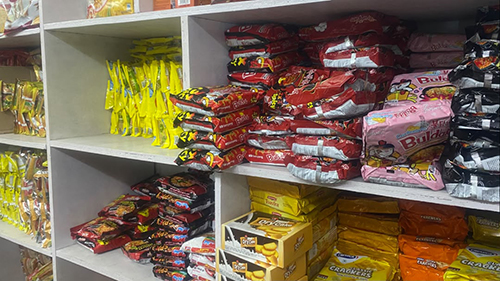
Instant noodles have become an increasingly familiar part of young people’s diets, valued for their affordability, convenience and ease of preparation.
For some, they are an occasional snack, and for others, they can become a substitute for regular meals.
As concerns grow over changing eating habits among young people, questions are being raised about the nutritional consequences of relying too heavily on processed foods.
A class 8 student fell ill after eating instant noodles instead of regular meals for seven consecutive days while his parents were away from home, according to his mother, Dechen Zangmo.
Dechen said her son occasionally ate instant noodles after school. But when she and her husband were away for a week, he relied on them in place of regular meals.
She said her son subsequently fell ill and lost weight before receiving medical treatment. He has since recovered.
“The doctor advised him not to eat instant noodles and also raised concerns about nutritional deficiencies,” she said.
The growing popularity of Korean noodles popularly known as “fire noodles,” among young people has also prompted concerns about the effects of frequent consumption, alongside viral claims linking the products to cancer and infertility.
Tenzin Wangchuk, a Clinical Dietitian at Jigme Dorji Wangchuck National Referral Hospital (JDWNRH), said the issue requires distinguishing between nutritional risks associated with frequent consumption and exaggerated claims circulating online.
“The truth lies right in the middle, regularly consuming instant noodles poses immediate metabolic and gastrointestinal risks, but the viral fears surrounding cancer and infertility are heavily overstated,” Tenzin said.
One of his key concerns is the high sodium content of instant noodles, particularly in Bhutan, where people already consume substantial amounts of salt through their daily diets.
“We, as Bhutanese, are not short of sodium. We are already consuming high amounts of sodium from table salt (sodium chloride, which has 40 percent sodium and 60 percent chloride), completely wiping out or exceeding the maximum recommended limit for an entire day,” the Clinical Dietitian said.
A single packet of instant noodle products can contain between 1,200 and 1,800 milligrams of sodium, depending on the product. The World Health Organization (WHO) recommends that adults consume less than 2,000 milligrams of sodium a day. A packet containing 1,200 to 1,800 milligrams could therefore account for 60 to 90 percent of the recommended daily limit, before salt from other foods is considered.
Excessive sodium intake can contribute to high blood pressure, increasing the risk of cardiovascular disease over time.
Tenzin also highlighted concerns about potassium intake. Found in fruits and vegetables, potassium is an essential mineral that helps regulate fluid balance and blood pressure. He said around 75 percent of Bhutanese do not consume enough servings of fruits and vegetables.
With diets already high in salt and insufficient in some nutrient-rich foods, frequent consumption of high-sodium instant noodles can add to the nutritional concern, particularly when they replace balanced meals.
Cancer warning labels on imported Korean noodles have added to public anxiety. However, as reported earlier by this paper, Bhutan Food and Drug Authority (BFDA) Chief Dechen Wangmo said Korean noodles were not classified as high-risk products under the import control system.
“A single food cannot be attached to cancer. We have to understand that,” Dechen said during a recent Meet-the-Press session.
She explained that California’s cancer-warning requirements can apply when a product contains an ingredient listed under the state’s regulations on substances known to cause cancer or reproductive harm. Since instant noodles contain multiple ingredients, a product may carry a warning if one of its ingredients falls under the relevant list.
Such a label should not automatically be interpreted as proof that consuming the product causes cancer.
The concerns surrounding extremely spicy noodles have also drawn international attention. In June 2024, Denmark’s Veterinary and Food Administration recalled three varieties of Samyang Buldak noodles over concerns that their high capsaicin content could cause acute poisoning.
Following a reassessment in July, two varieties the 2x Spicy & Hot Chicken and Hot Chicken Stew were cleared for sale, while the restriction on the 3x Spicy & Hot Chicken remained in place under that decision.
Meanwhile, Health Minister Lyonpo Tandin Wangchuk has urged the public to exercise caution over packaged foods, warning of their potential health risks and encouraging people to reduce their consumption.
For young consumers, the issue is not simply whether a packet of fire noodles is safe to eat occasionally. It is how often it becomes part of their diet, how much sodium it adds and whether it replaces a balanced meal.
Instant noodles offer convenience, but frequent consumption should not come at the expense of dietary variety. The focus should remain on informed food choices and balanced eating habits rather than fear driven by unverified claims.