The Bhutanese Leading the way.
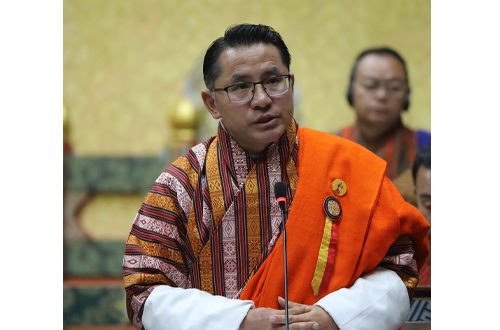
The National Assembly (NA) has approved significant changes to the Livestock Bill of Bhutan 2025 following three days of intense deliberation and strong public interest. The Bill passed with 25 yes votes, 19 no votes and 1 abstention and now moves to the National Council for further review.
One of the most debated issues was the regulation of meat processing facilities. The new Bill sets clear rules for how animals should be handled, transported, and slaughtered, focusing on hygiene and animal welfare. Lawmakers clarified that the Bill does not promote slaughter, but seeks to regulate practices that already exist, which means applying more stronger rules in the existing Bill.
The old Bill in fact already had a provision for slaughter houses but without adequate regulations.
Another major change in the Bill is the expansion of restricted meat-sale days. In addition to the 8th, 15th, and 30th days of the Lunar calendar and other holy periods, the new Bill adds the 10th and 25th days of the calendar, a change to minimize slaughtering of animals and consumption. A proposal to add Zhabdrung Kuchhoe was dropped after it was noted that it falls on the 10th day.
The Bill also strengthens several areas of livestock management. It introduces clearer rules on animal welfare, veterinary services, breeding, and disease control, while updating penalties for illegal slaughter, poor handling of animals, and selling meat on prohibited days.
The Bill states that if any organization wants to create or start any type of animal shelter then he or she should have to get clearance from the MoAL before registering with dzongkhag or even Thromde.
Agriculture and Livestock Minister, Younten Phuntsho, highlighted the long-term goals of the updated legislation, stating, “The new Bill incorporates these principles. I urge members to think of our younger generation and support this legislation.” He also encouraged the public to reduce meat consumption, adding that the ministry is acting “solely for the country and not for fun.”
He further noted “ This Bill will serve as a modern regulatory tool to ensure compassion towards animals, reducing illegal slaughter, protecting farmers, and strengthen food safety in a changing market.”
Pet animals have to be registered to be identified, where the animal health service will give them vaccinations and proper health care.
Speaker Lungten Dorji reminded the House that the Bill is not entirely new but only an improved version.
The Bill aims to protect animal welfare rights, ensure quality of food of animal origin, prevent diseases and be compliant to international standards.