The Bhutanese Leading the way.
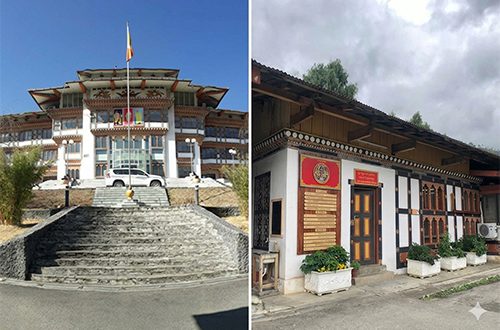
The National Budget Report 2026-2027, presented by the Ministry of Finance (MoF), has placed strong emphasis on social services, with major allocations directed towards health, education, civil service reforms, and youth development through Gyalsung.
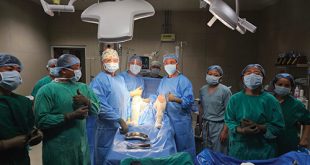
The health sector has been allocated Nu 12.4 billion (bn), with the report stating that the focus is on improving health outcomes while strengthening system efficiency and service delivery across the country. The allocation is expected to support key interventions aimed at expanding access and improving the quality of care.
According to the report, “Of the total allocation, Nu 965.0 mn is towards expanding tertiary and specialized healthcare capacity, comprising Nu 829.0 mn to initiate the construction of the Multi-Disciplinary Super-Specialty Hospital, Nu 136.0 mn for the Mother and Child Hospital at Mongar, along with infrastructure development for CT, MRI, and IVF services at Jigme Dorji Wangchuck National Referral Hospital.”
Alongside this, investments will also go towards strengthening regional and cluster hospitals in Samtse, Trashigang, and Phuentsholing to improve access to services outside major urban centers. The sector also includes Nu 1.009 bn for medical equipment and ambulances, aimed at improving diagnostics and emergency response capacity.
Further, Nu 110.2 mn has been allocated for digital health initiatives, including the enhancement of the electronic Patient Information System (ePIS), expected to streamline patient management and reduce waiting times. Human resource development and training in the health sector will receive Nu 279.8 mn, while Nu 120.0 mn has been set aside for mental health and social support services, including reintegration and aftercare services under the PEMA Secretariat.
In education, a total of Nu 34.935 bn has been allocated to support reforms across all levels. Of this, Nu 3.038 bn will go towards capital investment, mainly for 20 Phase I Central School clusters. This is complemented by the establishment of the International School in Thimphu and the STEM School at Drukgyel HSS, each supported by Nu 150 mn.
“Curriculum reform remains a key priority, with Nu 289.0 mn allocated for the rollout of the Cambridge-aligned curriculum for Classes IX and XI, supported by development of teaching-learning materials, digitization of curriculum resources, teacher capacity building, and strengthened monitoring and assessment systems,” the report states.
Additional allocations include Nu 385.1 mn for teacher development, Nu 196.1 mn for WASH improvements in schools, Nu 112.9 mn for ECCD centers, and Nu 50 mn for Yarabling School Phase II.
In TVET, Nu 150 mn has been allocated for modernization, while Nu 582.2 mn will support infrastructure expansion, including TTIs and RDTCs.
Tertiary education receives Nu 1.042 bn for infrastructure development, along with funding for digital transformation, HR development, and accreditation.
The Royal Civil Service Commission has been allocated Nu 955.4 mn, including Nu 585.4 mn for undergraduate scholarships, as part of ongoing reforms under the E2B 10X initiative and the Civil Service Strategic Roadmap 2025-2035.
For Gyalsung, Nu 12.98 bn has been allocated, covering recurrent and capital expenditures, including major investments in infrastructure and training facilities to strengthen programme implementation.
According to the MoF, these investments are aimed at improving service delivery, strengthening human capital, and supporting long-term national development goals.