The Bhutanese Leading the way.
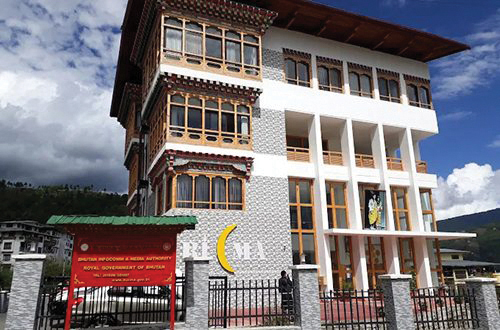
The developing social media landscape in Bhutan has spurred the growth of videographers and content creators bringing out immense creativity using audiovisuals. Today, it has also brought confusion among young content creators and videographers that are starting out whether they need a formal license from the national media regulator.
The Bhutan InfoComm and Media Authority (BICMA) clarifies that content creators and videographers who are producing music videos (MTVs) are not required to obtain a filming permit.
It also mentioned that there is no need for acquiring a permit for personal vlogging.
BICMA only demands one for films such as feature films, documentaries, and short films which are essentially meant for wider distribution through theatrical releases and film festivals as mandated by the Bhutan Filming Regulations 2025.
A videographer of one of the popular studios in Bhutan told The Bhutanese that there is some confusion among creators and studios while shooting MTVs in Bhutan.
The videographer said that since the provision states “any activities related to film”, music videos also fall under the category, and then were asked for a filming permit. Additionally, a Nu 1,000 permit fee applies for every application.
“This means shooting MTVs also requires permits, and other creators I know have also been asked to get it from the Authority. Due to this reason, it prompted a filming group to go to Siliguri once to complete filming their MTV,” he said.
It seems that the primary confusion stemmed from the Bhutan Filming Regulation 2025 requirement of film permit provision, where it states, ‘Any activities related to films, documentaries and advertisements shall be allowed in Bhutan only after obtaining a permit from the Authority. Applications must include details of all sequences to be filmed in Bhutan.’
BICMA said that provided content creators comply with the Content Rules and Regulations and other laws within the country, they don’t have to obtain a filming permit, and it is voluntary in nature.
“There is no restriction on shooting MTVs in public or private space up until now, unless they are questioned by other relevant authorities for which BICMA is not responsible,” the authority said.
“There are no separate procedures for content creators but they are expected to ensure that communities are portrayed respectfully and be responsible without adversely affecting community harmony,” BICMA added.
BICMA clarifies that filmmakers and videographers are only required to submit a copy of their business license and synopsis of the film and are not required to submit the full script since there are also questions of BICMA’s scrutiny on the content.
The regulations also allow room for spur-of-the-moment changes. “If a filmmaker needs to make deviations from the planned location or script, they may make changes as long as they do not intend to portray anything false or compromise the country’s national security and sovereignty,” the authority said.
A film may be denied certification for exhibition and may not receive government endorsement if it contains significant or repeated violations of the relevant laws and regulations.
BICMA views regulations as an important means of supporting and promoting the creative industry. “Regulations should not be viewed as barriers and everyone shoulders equal responsibility,” BICMA said.
The permit can be obtained using the G2C website and it can be issued within a day.