The Bhutanese Leading the way.
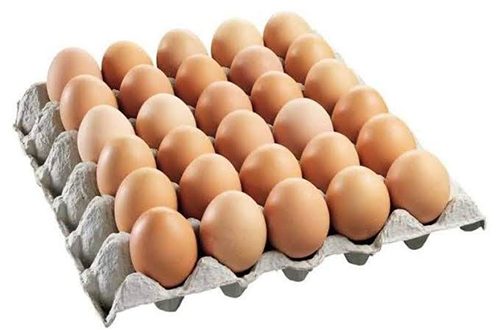
Residents and shoppers have been in for a shock while grocery shopping, as a tray of eggs in Thimphu now costs between Nu 560 and Nu 600. This comes as a surprise, with prices soaring beyond the COVID-19 pandemic peak of Nu 440 per tray.
Vendors at the Centennial Farmers Market in Thimphu say the prices of eggs supplied by brokers and farms have increased. These suppliers come to the market to sell eggs in cartons, charging a price for each carton.
The owner of a prominent dairy and egg store at the Farmers Market said prices had increased at the source itself.
“This is the price charged by those who come to sell eggs here. They charged Nu 3,750 per carton,” she said.
Each carton contains seven trays. Dividing Nu 3,750 by seven brings the cost of each tray to around Nu 535. Adding a small profit margin raises the final selling price to consumers to Nu 560, and even above Nu 600 in some places.
Another vendor said the eggs sold in the market primarily come from villages in Tsirang and Dagana.
During the height of the COVID-19 pandemic in 2021, egg prices stood at Nu 440 per tray amid the extreme pressures created by the pandemic. Today, egg prices are once again taking the market by storm.
A social media post has also claimed that egg prices have soared to as high as Nu 700 per tray in Bumthang.
The Facebook post states: “The price of eggs in Bumthang has increased sharply, reaching Nu 700 per tray at some shops, while a few retailers are selling them for around Nu 650 per tray.”
“The price increase is mainly due to a shortage of eggs at the source, resulting in limited supply in the market, according to locals. The shortage has raised concerns among consumers, with many calling for a stable supply and hoping that prices will come down soon. Eggs are a common household food item, and the continued shortage and rising prices are putting additional pressure on consumers,” the post stated.
These prices have been recorded from the ground, but official data and input from the relevant authorities are still needed to explain the root causes of the increases. The paper will continue to follow up with the Ministry of Agriculture and Livestock (MoAL) and report further findings in the next issue.