The Bhutanese Leading the way.
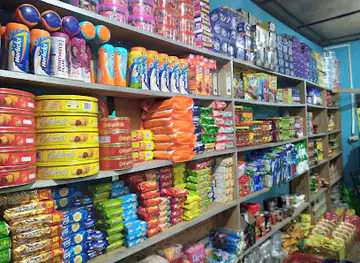
When purchasing packaged food, many consumers check the expiry date before putting a product into their shopping basket. However, nutritional information such as sugar, salt, fat and calorie content often receive less attention, raising questions about whether consumers understand what they are eating, and whether food labels provide enough information to make informed choices.
In Bhutan, concerns over inadequate food labelling and limited nutritional awareness have brought attention to the need for clearer information on packaged food products.
According to the Competition and Consumer Affairs Authority’s (CCAA) 2024 report on the supply of packaged edible products without required labelling, 26 percent of the 880 grocery stores surveyed across 17 dzongkhags were found to be selling packaged food products with inadequate or no labelling.
The report highlighted concerns over locally packaged food products and imported products carrying labels only in foreign languages, limiting consumers’ access to essential product information.
The Policy and Planning Division (PPD) of the Ministry of Health (MoH) said Bhutan currently does not have specific policy provisions or formal arrangements dedicated to educating consumers on how to read and interpret food labels.
However, the Nutrition Program and Lifestyle Diseases Program under the Department of Public Health has been incorporating food-label education into training sessions for health workers. These health workers are expected to share their knowledge with communities through routine health education and awareness activities.
MoH is also developing public education materials on food-label reading to help people better understand nutritional information and make healthier food choices.
The ministry has not yet conducted any formal assessment to determine how well Bhutanese consumers understand nutritional information, including sugar, salt, fat and calorie content.
However, anecdotal feedback from health workers across the country suggests growing consumer interest in understanding the nutritional composition of packaged food, particularly its sugar, salt and fat content.
The ministry acknowledged that limited access to clear and understandable nutritional information can undermine consumers’ ability to make informed and healthier food choices, particularly when identifying products high in sugar, salt and unhealthy fats. This could also have implications for preventing diet-related non-communicable diseases (NCDs), particularly among vulnerable groups such as children.
Clinical Dietitian at Jigme Dorji Wangchuck National Referral Hospital (JDWNRH), Tenzin Wangchuk, said reading food labels is important because it allows consumers to understand the nutritional composition of products before purchasing them.
He added, “Consumers should look beyond promotional claims on the front of food packages and pay attention to the ingredient list, serving size and nutritional information.”
He also advised consumers to check for hidden sources of sugar and sodium, which may be listed under different ingredient names.
Tenzin raised concerns about imported packaged food products carrying labels entirely in foreign languages, including Thai, Korean and Chinese, which make it difficult for Bhutanese consumers to understand the ingredients and nutritional content.
He also pointed to the presence of ready-to-eat food products, including 7/11 food consumables, in departmental stores, which he said have very short shelf lives and may expire overnight.
He questioned the adequacy of policy-level controls over such products, particularly where consumers cannot easily understand the information provided on the packaging.
The dietitian said the absence of a front-of-package nutritional warning system also makes it difficult for consumers to quickly identify products high in sugar, salt and fat.
MoH said that while no specific policy on mandatory front-of-package warning labels has been formally adopted, the Department of Public Health has been advocating with relevant stakeholders, including the Ministry of Industry, Commerce and Employment (MoICE), for front of package labelling as a public health measure.
The department will continue engaging with agencies, including BFDA, CCAA and MoICE, through existing inter-sectoral coordination platforms such as the National Codex Committee and the Multi-Sectoral Action Plan for the Prevention and Control of NCDs 2026 -2030 to explore opportunities to strengthen nutritional labelling standards.
The Department of Public Health also engages with relevant agencies through the National Codex Committee, which provides a platform for discussions on food standards, labelling, food safety and nutrition issues.
Meanwhile, consumers have different levels of awareness when it comes to checking food labels.
Apsara Sharma, a pharmacist, said she usually checks food labels before purchasing packaged products, particularly the expiry date, ingredients and nutritional information.
“Yes, I usually read food labels before purchasing packaged food because I believe it is important to know what I am consuming and whether the product is safe and suitable for my health,” she said.
She said she can identify products containing excessive sugar or sodium by checking the nutritional information, although she believes food labels in Bhutan do not always provide sufficient information.
“No, I don’t think food labels in Bhutan always provide sufficient information. Some labels could be clearer and more detailed, particularly when it comes to nutritional value and helping consumers understand the health implications of certain ingredients,” she said.
Sharma said clearer nutritional labels would help consumers compare products and make healthier and more informed purchasing decisions.
Another consumer, Kamal Pokwal, said he checks the manufacturing and expiry dates before purchasing packaged food, followed by the ingredients.
He said young people are becoming more conscious of their health and nutritional choices, although consumers may sometimes overlook nutritional information when they are in a hurry.
Jigme Wangchuck, a consumer, said, “I check the food labels, particularly the expiry date and ingredients, before purchasing packaged products.”
He said clearer nutritional labels would help consumers make better purchasing decisions, although he believes that most products provide information because they come from neighbouring countries.
While some consumers are becoming more conscious of what they purchase, the availability and accessibility of understandable nutritional information remain important concerns.
MoH said it would continue working with relevant agencies to strengthen food and nutrition awareness, while the development of public education materials is expected to support consumers in understanding food labels and making healthier food choices.