The Bhutanese Leading the way.
For Bhutanese families managing household budgets, food and fuel costs are central to everyday spending.
The rising cost of essential goods has prompted government measures aimed at supporting vulnerable households amid external economic pressures.
The Asian Development Bank (ADB) has approved USD 17.42 million (mn) to support Bhutan’s Anti-Crisis Action Plan, according to the project information provided. The plan responds to rising food and energy costs linked to the conflict in the Middle East.
The measures include monthly assistance to women in eligible large families, rural electricity subsidies, GST exemptions on essential goods such as rice, butter, oil and salt, and school feeding programs.
Bhutan’s exposure to external economic shocks is linked partly to its dependence on imported fuel and its relatively narrow economic base. Higher global oil prices can affect fuel import costs and transport expenses.
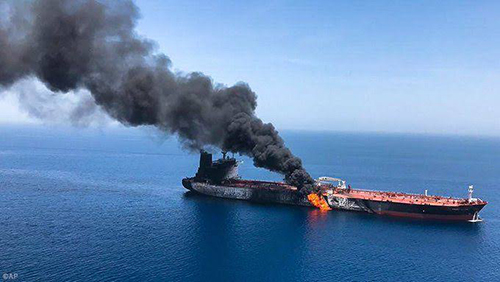
The Middle East conflict may also affect tourism through disruptions to aviation and travel demand. The extent of any resulting impact on Bhutan’s tourism industry, businesses and household expenses will depend on how these developments unfold.
The government’s wider Anti-Crisis Action Plan also includes measures to support small businesses, tourism, agriculture and youth employment. Other initiatives listed in the plan include small public works in dzongkhags and gewogs, strategic fuel reserves and electric mobility measures, including electric buses.
These wider initiatives involve the government and other development partners. They should not be attributed entirely to ADB’s USD 17.42 mn financing without a detailed breakdown of the funding.
The program’s implementation details, including the allocation of funds, eligibility criteria and the number of households expected to benefit, are important to establishing the scope of the support.
The impact on household finances will need to be assessed using verified market prices, household spending data and information on the delivery of assistance.
ADB’s financing is intended to support Bhutan’s response to external economic pressures.
The program’s implementation and subsequent results will determine the extent of its impact on the households it targets.