The Bhutanese Leading the way.
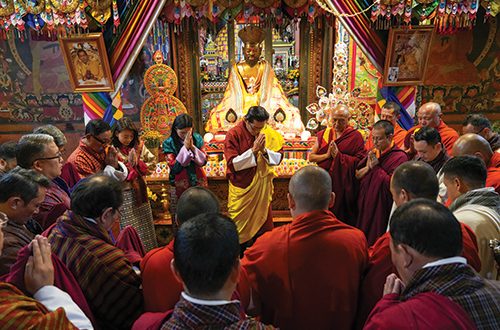
In Bhutan, we are blessed with a rich heritage of sacred treasures and traditions, many of which have been carefully preserved and continue to be revered to this day. Among these is a profound practice known as Yoeja, which not everyone may know.
Yoeja serves a vital purpose: to support the flourishing of the Buddha Dharma in Bhutan and to ensure that our Buddhist heritage is passed on without decline.
From what I have come to understand, this is not merely a custom that began a century or two ago; it has endured for thousands of years. On many occasions, I have felt deeply concerned about its continuity and have reminded the monastic community, the government, the dzongkhags, and the people of Bhutan of the importance of safeguarding this precious legacy. We must ensure that its blessings and significance are never lost, and I ask everyone to lend their support to this noble cause.
The practice of Yoeja is also a means of accumulating merit. I recall witnessing our beloved Queens, Ashi Phuntsho Choden and Ashi Pema Dechen, make Yoeja offerings before their passing. At that time, I asked what Yoeja meant. Later, when some of our senior lamas and khenpos passed away, I continued to hear people speak of Yoeja, so I asked again.
Those who understood the practice explained to me that Yoeja is an offering made with the aspiration that, even after the donor’s lifetime, their name and meritorious contribution will be remembered for generations to come — for as long as the Dharma endures. Through this tradition, monks, incarnate lamas, great spiritual masters, and other eminent religious figures are requested to hold the donor in their prayers and dedicate merit for their benefit.
I then asked whether this practice was reserved only for the wealthy. I was told that it was not. From ancient times, even a small measure of butter from an elderly woman was accepted as part of Yoeja. No distinction was made based on how much was given or the wealth of the donor. Every offering was included, and prayers were recited for all.
When I heard this explanation, I was profoundly moved. I joined my palms in reverence and reflected on how remarkable and precious this tradition is — something I had not fully appreciated until then.
We must now make a concerted effort to ensure that this extraordinary tradition becomes known not only throughout Bhutan but also across the world.
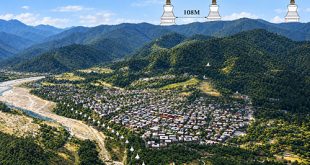
As we undertake the consecration of the 108 stupas, we have made a collective pledge to upholdYoeja in Bhutan and to serve it to the best of our abilities. Monks, nuns, and all those engaged in spiritual practice have committed their support to this important endeavour.
Seeing this shared dedication brings me immense joy and satisfaction, and I am greatly encouraged by everyone’s resolve to preserve this sacred heritage.