The Bhutanese Leading the way.
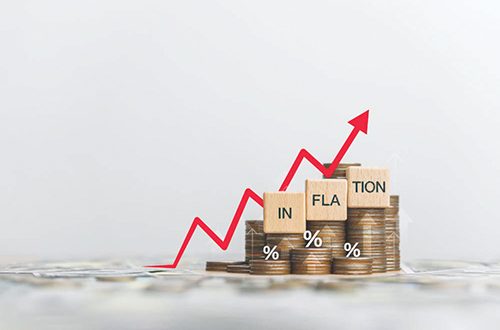
National inflation at 5.58 percent and non-food prices rise by 6.34 percent
As the cost of living continues to rise in Bhutan, concerns remain over whether elderly people, particularly those relying on pensions or fixed incomes, can afford their daily necessities without compromising their quality of life. Bhutan’s annual inflation reached 5.58 percent in September 2026, with non-food prices increasing by 6.34 percent compared with the same month last year, according to the National Statistics Bureau’s (NSB) Consumer Price Index (CPI) highlights for September. Food inflation stood at 4.95 percent, while the national CPI increased by 0.20 percent on a monthly basis. Food prices rose by 0.07 percent in September, while non-food prices increased by 0.33 percent.
For elderly people living on fixed incomes, rising prices can make it difficult to manage monthly expenses, particularly when their income does not increase at the same pace as the cost of essential goods and services. While food remains a basic necessity, pensioners may also need to budget for medicines, healthcare, electricity, transport and other daily expenses. When these costs rise, a fixed monthly income may leave less money available for other needs.
The latest inflation figures raise questions about whether pension payments and other sources of income are sufficient to meet the needs of elderly people, especially those who live alone or have limited financial support from family members. The impact of inflation, however, may differ from one household to another. Some elderly people may receive support from their children or have savings and other sources of income, while others may depend largely on their monthly pension to meet their expenses.
Bhawani Shankar Timsina, a Thimphu resident who served for 34 years in a financial institution, receives a monthly pension of Nu 26,000. Although he owns a flat, he said managing household expenses remains a challenge, particularly when unexpected costs arise. Timsina said that while his pension generally helps him and his wife meet their daily needs, expenses on food, household bills and medicines can put pressure on their monthly budget. Although healthcare treatment is provided free of charge in Bhutan, he still has to purchase medicines, adding to his expenses.
He said owning a flat has helped him avoid the additional burden of paying rent. Without his own home, he believes managing expenses on his pension would be considerably more difficult, especially as the cost of living continues to rise.
“If I did not own a flat and had to live in a rented apartment, I would face many challenges. Sometimes, I have to seek financial help from my children. With their support, my wife and I are managing our expenses,” he said.
For pensioners who do not own a home or have limited family support, the burden can be greater, as rent and other essential expenses must be met from the same monthly income.
The regional figures also show differences in the rate of inflation across the country. The Capital City recorded the highest year-on-year inflation at 6.21 percent, followed by the Central Region at 5.86 percent and the Western Region at 5.75 percent. The Eastern Region recorded the lowest rate at 4.87 percent. These differences raise questions about how rising prices affect elderly people in different parts of the country, particularly those who must manage their expenses with limited income.
Gyeltshen, a retired Royal Bhutan Army serviceman from Chukha, served for 33 years before returning to his village after retirement. He now lives on a monthly pension of Nu 10,450 which he said has to cover his household expenses, including food and medicines for his wife. Although he has built a simple temporary house and does not have to pay rent, managing daily expenses remains a challenge. He said a large portion of his pension goes towards food, with a 25-kg bag of rice costing Nu 1,450.
The cost of rice alone accounts for a significant share of his monthly pension, leaving him with less money to meet other household needs. In addition to food, he has to purchase medicines for his wife, adding to the financial pressure on the family. Age has also made it difficult for him to engage in agricultural work to supplement his pension. While returning to his village means he does not have to pay rent, his limited income and inability to work in the fields make it harder to manage rising living costs.
For retired people like Gyeltshen, a regular pension provides some financial security, but the amount must cover several essential expenses. When food prices rise and medical needs continue, even those living in their own homes can struggle to make ends meet. With limited opportunities to earn additional money after retirement, managing everyday expenses becomes increasingly difficult.
However, the overall inflation rate alone does not establish the extent of financial hardship faced by pensioners. Their actual expenses, household circumstances, access to family support and spending on essential items all influence how rising prices affect their daily lives. The CPI measures changes in the prices of goods and services commonly purchased by households, but it does not necessarily reflect the spending patterns of every age group. The impact on elderly people would need to be assessed alongside their income, pension payments and household expenditure.
The September figures, therefore, bring the financial security of elderly people into focus. The central question is whether their income is keeping pace with the rising cost of living, and whether they can continue to afford essential goods and services without sacrificing their well-being and dignity.
As inflation continues to affect household budgets, understanding how elderly Bhutanese manage their daily expenses will be important in assessing whether existing pension arrangements and other support measures are sufficient to meet their needs.