The Bhutanese Leading the way.
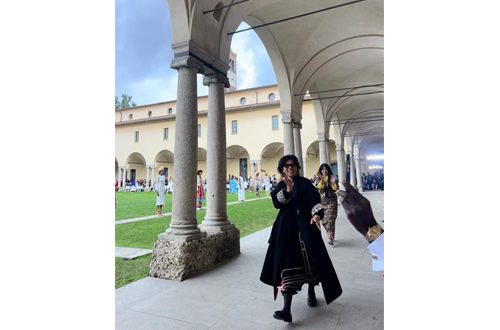
Chandrika Tamang of CDK Design House has been seeking legal advice and representation over the last one month on her idea and proposal of Bhutan Fashion Week (BFW) being appropriated by the Royal Textile Academy (RTA) and the Department of Media, Creative Industry and Intellectual Property (DoMCIIP), however, so far, she has been turned away by nine lawyers.
The common feedback she got from some lawyers informally was a reluctance to take up a case against what they feel is an influential body like the RTA, and how that could impact her judicial fight.
Another feedback she got was that the Bhutanese judicial system is not used to or does not have adequate expertise in the Copyright Act 2001 and Industrial Property Act 2001, and what makes it worse is the custodian of both the laws here, which is the DoMCIIP, is itself a party to the case.
Some of the lawyers directly turned down her case while some did not even bother to reply to her messages or calls seeking to hire them, and some turned her down indirectly by suggesting others lawyers’ names.
In one case, a lawyer advised her to fight the case by herself in court.
Chandrika said, “There is no place really to get justice or protect my rights, and so the media is the only place where I can go to now.”
Chandrika said she is disappointed that despite her willing to pay the legal fees, no lawyer wanted to take up her case.
She said that instead of support, she has been getting a lot of advice to compromise and move on.
Apart from the nine lawyers, she talked to a government lawyer and a member of the judiciary she knows, and they both advised her a legal fight is not worth it and to instead use her energies in doing her creative work.
What complicates matters for Chandrika is that there are not many lawyers who handle Intellectual Property cases.
A lawyer she consulted but who did not take up her case told her that her case will not be easy to fight in court.
Chandrika said that whatever the excuses, she sensed a sense of fear and reluctance to take up her case against the RTA and also the DoMCIIP.
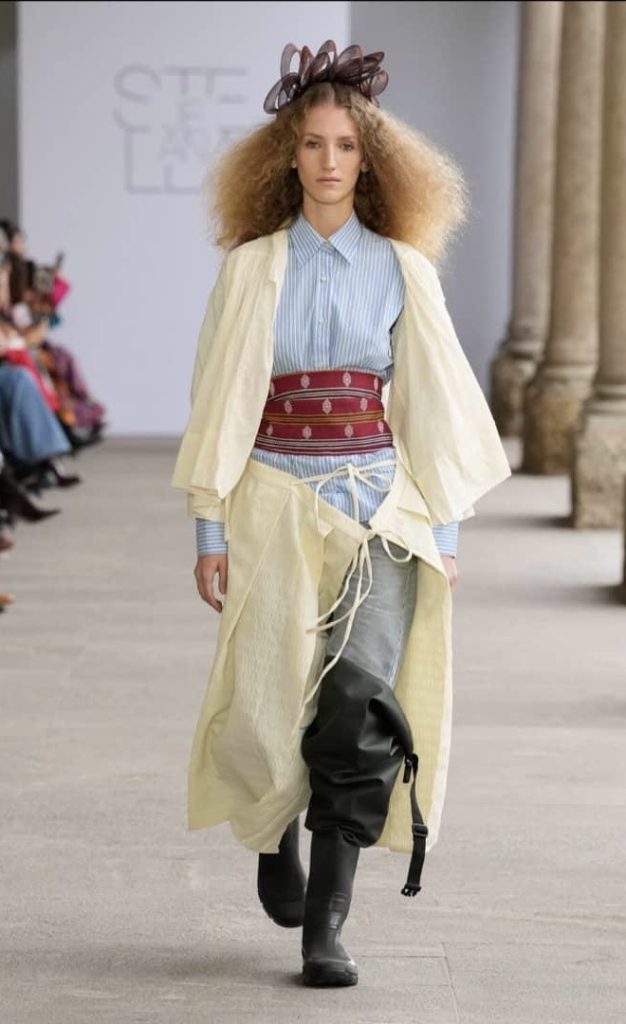
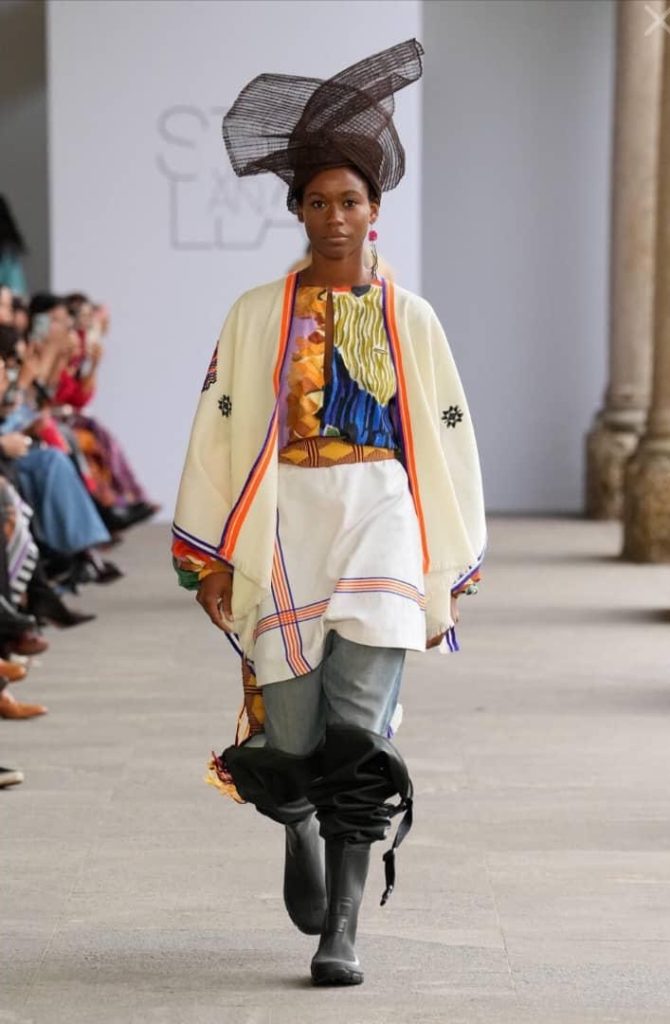
The BFW is set to happen from 27th October to 1st November as a joint initiative of the DoMCIIP in collaboration with the RTA. However, Chandrika Tamang, alleged that the BFW was originally her idea that she shared as online presentations, written proposals and face-to-face meetings with the RTA Director all the way back from April 2024 onwards, and it is now being done with her ideas but with no credit given to her.
The Bhutanese after consulting an IP lawyer had earlier done a legal analysis and found several provisions in the Copyright Act 2001 and Industrial Property Act 2001 which supported Chandrika’s case, especially given the email and message evidences she has and the striking similarities between her BFW proposal to RTA and the one being done now by RTA and DoMCIIP.
Chandrika’s fight to get justice has not come without any cost.
She said that she was supposed to showcase her collection in a fashion show in Sydney, Australia called FOMA ‘Fabric of Multicultural in Australia,’ this month and she was in advanced stages of discussion.
However, a key Australian there linked to Bhutan and who enabled her participation had called her several times when the BFW controversy started asking her not to approach the media, and to apologize to RTA and participate in BFW.
That person had made it clear to her that if she does not do so then it may hamper her participation in the Sydney Fashion show.
Chandrika did not comply, and she recently got a message saying she is no longer going to be a part of the show. She said she learnt that somebody else from Bhutan is being sent in her place, and she said she is in fact happy that another person has been given a chance.
If that was not enough, she received an email from DoMCIIP saying that she would have to refund the Department for any expenses they have incurred on her.
Chandrika said like all other designers she was given Nu 93,000 to buy design materials and was taken with them for 4 days to Delhi, India. Chandrika said she had already bought the materials and she is not sure what to do with them.
She said there was also no document signed which talked of giving a refund for all expenses if any one pulls out. She asked would DoMCIIP seek a refund if a designer had health or other reasons and could not take part.
Chandrika is also upset about the language used by a DoMCIIP officer in the email to her.
She said that after she announced in the media she is withdrawing from BFW, she was asked by a BFW member to write an email to a BFW email address formally withdrawing which she did.
In her email she said that she has decided to withdraw from BFW due to practices she believes is not aligned with ethical and sustainable principles that have guided her work for the past 10 years in promoting Bhutanese sustainable and ethical fashion to the world.
In response to her email, an officer from DoMCIIP on 22nd September 2025 wrote to her saying “It’s a pity that you cannot participate in the first ever BFW event. However, we welcome your withdrawal in the larger interest of the fashion industry.” This is followed by the refund part of the message.
Chandrika said that the email disturbed her as it ‘welcomed’ her withdrawal ‘in the larger interest of the fashion industry,’ which she feels is an insult directed at her.
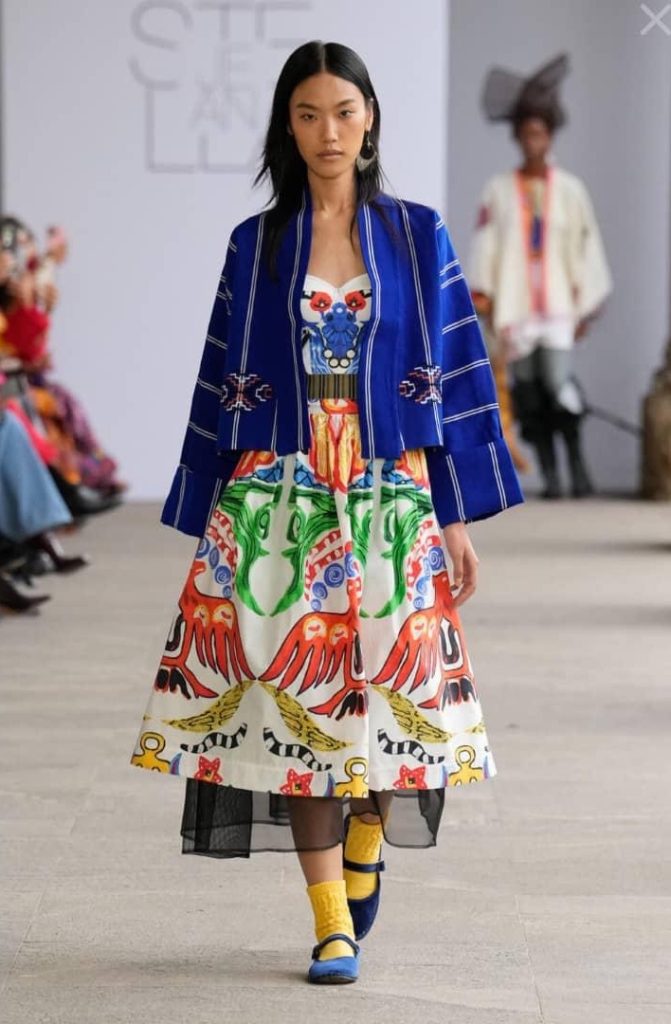
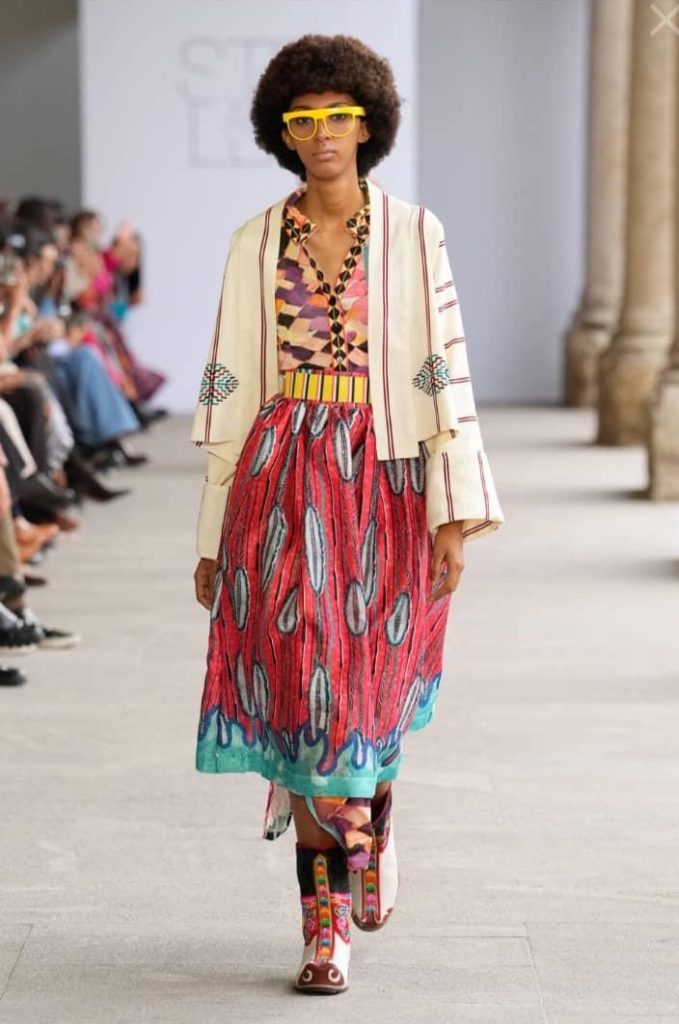
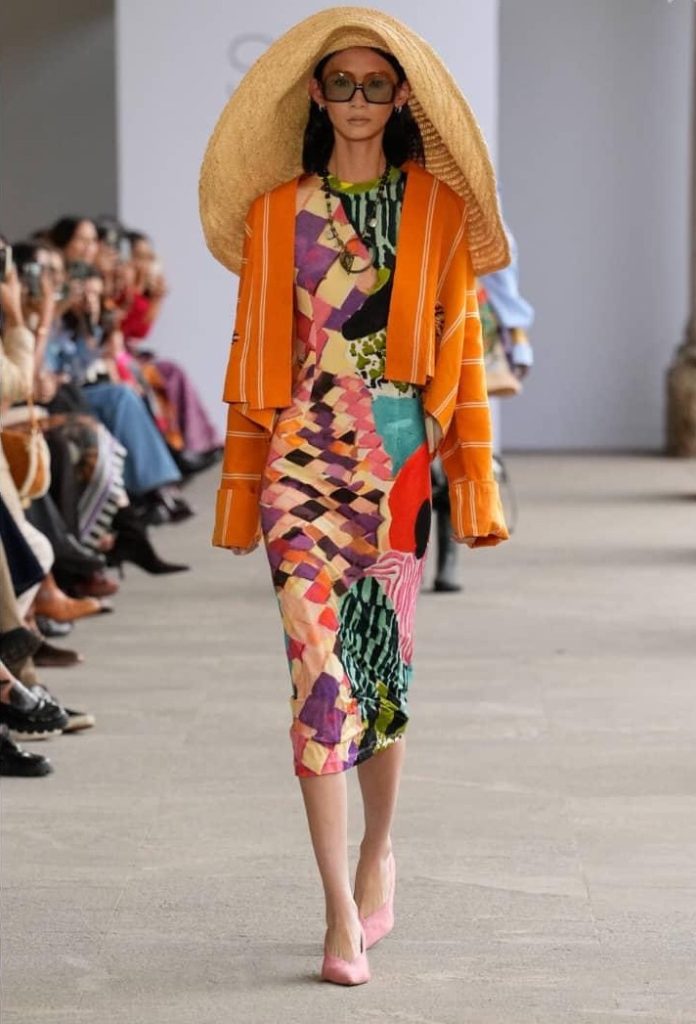
This is when Chandrika is the first Bhutanese fashion designer to debut in the recent Milan Fashion Week where she did a co-creation with Stella Jean.
Chandrika said she was even willing to take her case to the World Intellectual Property Organization (WIPO) which has an arbitration process, but it requires the consent of both parties to take part apart from fees of around USD 20,000 each.
Chandrika said this is not her first experience with copyright and intellectual property issues.
She said that back in 2019 she had come up with a creation called Pesar Tego but it soon got copied by handicrafts and stores and was sold in large numbers due to its popularity, and now it is even being manufactured by producers in India and sold in Bhutan.
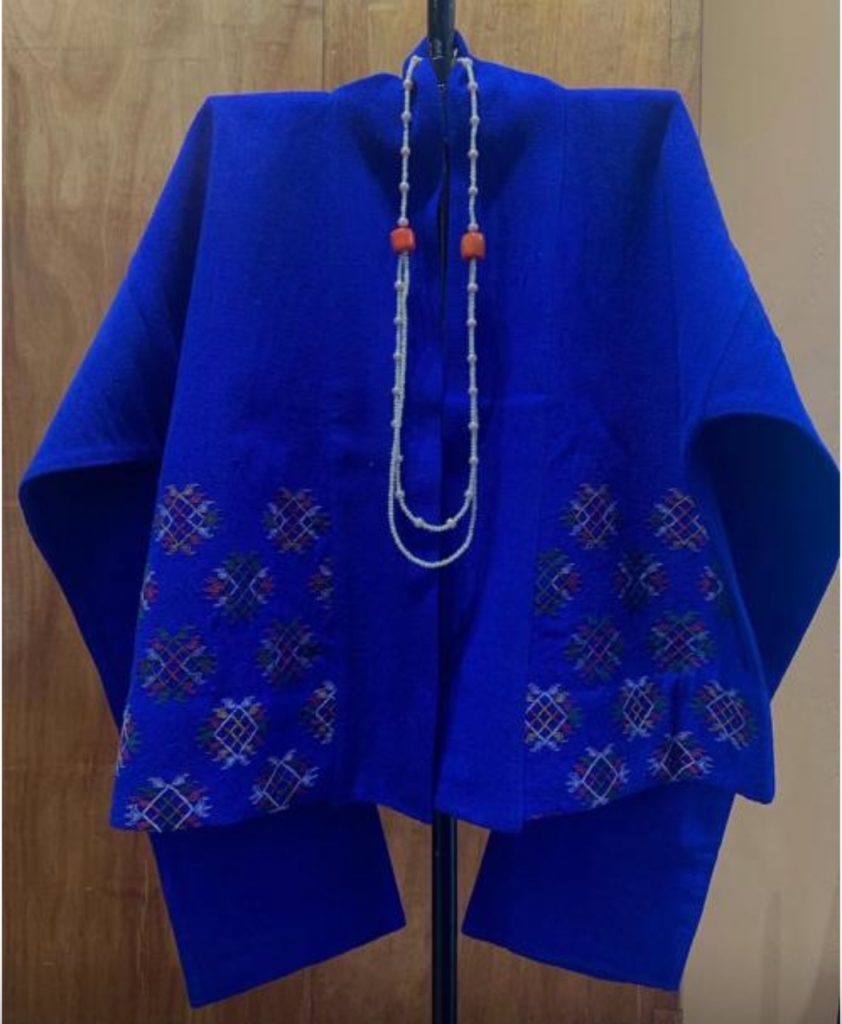
Pesar Tego
She said in 2019 she had approached an officer in the then Department of Intellectual Property seeking advice on the issue and wanting to file a copyright claim, but she said she was dissuaded at the time.
In 2021 a WIPO feature on Chandrika that highlighted her work also talked about such IP theft of her work as one of the challenges.
Chandrika said he whole idea behind the Pesar Tego was to help the traditional weavers as currently they weave one Kishuthara for the whole year and get paid around Nu 100,000 but this is nothing when divided over 12 or 10 months and it includes the raw material cost.
She said Pesar Tego is something that can be done in a shorter time by traditional weavers and so they can earn more money.
Chandrika said in many countries traditional weavers first die out which is happening in Bhutan, and the next generation are the ones who do it as a passion but they have to research and relearn everything. She said Pesar Tego and others designs like it is her effort to help traditional designers not to die out as it helps them make easier money too and this makes weaving sustainable too.