The Bhutanese Leading the way.
While international regulators move toward a “zero-added sugar” standard for infants, Bhutanese grocery shelves remain stocked with products containing as much as 35 grams (g) of sugar per 100g.
The Food Safety and Standards Authority of India (FSSAI) is moving toward a “zero-added sugar” standard for baby foods targeted at infants aged 6–24 months, as part of efforts to combat rising childhood obesity and metabolic health risks.
Under the proposed standard, baby foods such as infant cereals and milk formulas would only be allowed to contain naturally occurring lactose, while refined sugars such as sucrose and fructose would be prohibited.
This would mean that high-sugar baby food products imported from India may be phased out of Bhutanese shelves.
According to Moneycontrol, this move follows a 2024 investigation by NGO Public Eye and the International Baby Food Action Network (IBFAN), which found that Nestlé sold infant products such as Cerelac and Nido with added sugar in countries including India, while similar products sold in parts of Europe contained no added sugar.
The move aims to ensure that infant foods meet stricter nutritional and safety standards.
International sources state that the proposal also seeks to address concerns such as childhood obesity, early sugar exposure, and long-term metabolic health risks. Health experts say limiting early sugar intake can help prevent unhealthy dietary habits later in life.
A report by Moneycontrol also notes that Nestlé responded by reformulating and removing added sugar from 14 Cerelac variants in India by late 2025.
This development is relevant to Bhutan and highlights the need for parents to make informed choices about what children consume, as ultra-processed foods have increasingly replaced healthy, whole-food nutrition over the years.
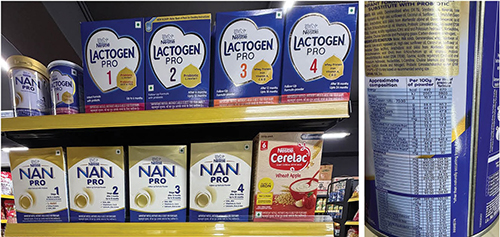
Currently, baby food aisles in Bhutanese stores stock a majority of Nestlé products such as Cerelac, NAN, and Lactogen.
Several products state that there are no added preservatives or added sugar. Labels also indicate minimal or no added sugar, with some Cerelac products showing around 2–3 grams of sugar.
However, some products show higher sugar content per 100 grams, as indicated on the labels.
A can of Nestlé’s NAN shows about 35g of sugar per 100g. Some Lactogen products contain over 15g of sugar.
It is important to note that “total sugar” differs from “added sugar.” Total sugar includes lactose, which is naturally present in milk and is generally considered safe for children.
Added sugar, on the other hand, refers to refined sweeteners such as sucrose, fructose, or corn syrup (including maltodextrin), which are added during processing to enhance sweetness.
It is difficult to determine whether the sugar in the NAN variant is naturally occurring or added without input from an expert.
This reporter conducted online research and found that the same NAN Pro available in European countries (via a website such as Norwegian Foodstore) shows a sugar content of about 62g per 100g, entirely from lactose and not added sugar, suggesting it is naturally occurring milk sugar.
However, products currently on Bhutanese shelves state 35g of “added sugar” explicitly.
This highlights the need for greater awareness among parents to make informed decisions when choosing food for infants, including checking labels and seeking reliable nutritional information.
Beyond the cradle
As infants grow and transition to solid foods, they are exposed to a wider range of processed foods. One common category is chocolate and confectionery.
A study titled “Comparative Analysis of Nutritional Content in Common Chocolate Brands in India” analysed a wide range of chocolate products sold in India, including dark chocolate, white chocolate, milk chocolate, toffees, and coated wafers.
The study found an average sugar content of 47.94g per 100g across tested products. Toffees recorded the highest sugar content at 59g, while coated wafers had the lowest at 37.10g.
The study also advised parents to make informed choices about chocolate consumption, as excessive intake is associated with dental caries (tooth decay) and other health issues.
Online discussions and general commentary also suggest that Indian chocolates differ significantly from those sold in countries such as Australia, with a higher proportion of sugar compared to cocoa content.
These comparisons are often made using products such as Dairy Milk, which are also widely available in the Bhutanese market, highlighting differences between regional formulations.
Chocolate and confectionery products are popular in Bhutan, especially among younger consumers.
With increased exposure through social media and training programmes, there has also been a rise in cake and confectionery businesses across the country.
Excessive consumption of sugar and ultra-processed foods is linked to risks such as obesity, type 2 diabetes, inflammation, and dental problems. In children, these effects may manifest later in life.
Therefore, it is important for individuals and parents to make informed choices by reading labels and following medical advice for healthier consumption.
The Bhutan Food and Drug Authority (BFDA) plays a critical role in monitoring such imports, and its oversight is increasingly important in light of these concerns. The paper will follow up in future issues on BFDA’s actions on this matter.