The Bhutanese Leading the way.
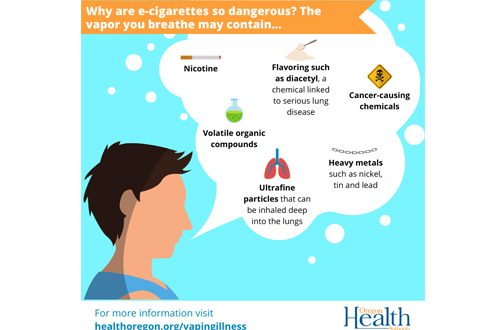
With increasing concerns over youth developing vaping-related illnesses, the Ministry of Health (MoH) said proactive steps are being taken to curb the growing threat posed by e-cigarettes in Bhutan.
According to the Jigme Dorji Wangchuck National Referral Hospital (JDWNRH), no new cases of vaping-related lung collapse have been recorded since the two incidents last year at the Lungtenphu Hospital.
“Apart from what is already mentioned (2 cases), we have no record of any further similar cases of lung collapse due to vaping. Should similar cases occur, we will be duly recording them,” the Health Minister, Tandin Wangchuk said.
MoH expressed serious concern over the increasing use of vapes among young people and confirmed that it is closely monitoring all reported cases through JDWNRH and other health facilities. Efforts are underway with relevant agencies to strengthen prevention and control measures.
Contrary to the widespread belief that e-cigarettes remain untaxed, MoH clarified that the government has already initiated fiscal interventions to curb their use. “It is not entirely true that e-cigarettes and vapes are untaxed,” the Health Minister explained, adding that the Parliament has approved a Bill to significantly increase Excise Taxes on alcohol, tobacco products, areca nut, and pan masala, effective January 2026.
The government is reforming the taxation system to make it more effective in reducing consumption and generating predictable revenue. For traditional cigarettes, the system is moving from a percentage-based tax to a specific excise tax of Nu 10 per cigarette stick and Nu 40 per cigar stick, alongside 10 percent customs duty and 5 percent GST. Chewing tobacco will follow a similar approach, with a Nu 1,500 per kilogram excise tax replacing the previous ad valorem system.
For e-cigarettes, the fiscal measures represent a major policy shift. They will now be subject to a combined 115 percent tax, including 100 percent excise, 10 percent customs duty, and 5 percent GST, bringing vaping products under the same regulatory lens as traditional tobacco.
Devices for e-cigarettes will also face a new 20 percent excise tax in addition to customs duty and GST, ensuring that both refills and hardware are regulated. These steps aim to protect youth while ensuring predictable fiscal returns.
Additionally, the revision of the Tobacco Control Rules and Regulations will explicitly include e-cigarettes, vapes, and heated tobacco products. This revision will allow stronger oversight of their import, sale, and use. The Tobacco Control Act , which predates the rise of such products, will be made more comprehensive and relevant to current challenges.
The Health Minister added that government continues to strictly enforce bans on the advertising, promotion, and sponsorship of tobacco and related products, including e-cigarettes, to reduce their social appeal, especially among young people.