The Bhutanese Leading the way.
Principals say actual numbers could be higher
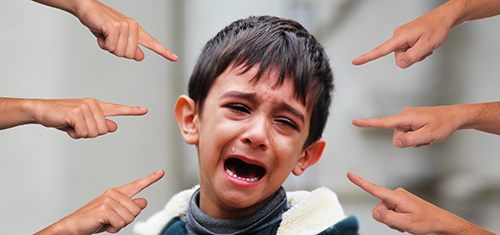
The number of reported bullying cases in schools in 20 Dzongkhags increased in 2025, according to the Situational Analysis Survey (SAS) done by the Ministry of Education and Skills Development (MoESD), with 299 cases recorded during the two-year period.
The data was shared with this paper following a request for the outcomes of the surveys and reports conducted as part of efforts to identify challenges affecting student wellbeing and strengthen early intervention measures.
The SAS recorded 116 reported bullying cases among students in 2024 and 183 cases in 2025, showing an increase of 67 reported cases within a year.
The first SAS was conducted in 2024 in Thimphu Thromde, in collaboration with MoESD, to understand issues affecting students and identify areas where schools require additional support.
The initiative was later expanded nationwide, covering lower, middle, and higher secondary schools in 2024 and 2025.
In 2024, the survey was conducted across 173 secondary schools (20 Dzongkhags), involving 100,961 students. “The survey recorded 116 bullying cases, representing approximately 0.11 percent of the participating students,” the MoESD said.
In 2025, the survey covered 172 secondary schools with 98,711 students participating. “A total of 183 reported bullying cases were recorded, representing approximately 0.19 percent of the participating students.”
The ministry said that the increase in reported cases does not necessarily mean all incidents involved deliberate bullying, as some cases were identified as conflicts or misunderstandings between students.
The MoESD said, “Some of these reports were determined to involve interpersonal conflicts/jokes and misunderstandings that students perceived as bullying.”
Despite the nature of the cases, the ministry said that every concern raised through the survey is addressed.
“Regardless of the outcome of assessment, every report is taken seriously and addressed in accordance with established school protocols. The ministry said, “With the support of school counsellors, mentors, and school management, all reported cases received timely intervention, appropriate follow-up, and necessary support,” the ministry added.
The MoESD further said that the mentor-mentee system has helped schools identify concerns at an early stage, as every student is assigned a mentor.
However, the SAS does not capture all aspects of students’ experiences. Responding to questions on whether students reported feeling unsafe at home, the ministry clarified that the survey did not include questions related to challenges students face outside school.
The ministry said questions on corporal punishment by students would be included in future surveys.
While the SAS provides an indication of bullying trends among students, school principals have raised concerns that the actual number could be higher. They said some students may hesitate to report bullying due to fear or may not fully disclose their experiences, even though the survey maintains confidentiality.
The survey also does not cover students in lower classes such as PP, I, II, and III in the same manner, as children at these levels are considered too young to independently complete the questionnaires.
Earlier, this paper reached out to schools across the country to find out whether any serious bullying incidents had been reported. None of the principals and sources contacted reported major bullying cases.
However, the findings from the SAS indicate that hundreds of students have reported experiencing bullying in schools over the past two years.
The findings suggest that while schools have systems such as counselling and mentor-mentee programs to respond to reported cases, ensuring that students feel confident enough to speak up remains an ongoing challenge.
The future expansion of the survey may also provide a more comprehensive picture of students’ experiences in schools and at home.