The Bhutanese Leading the way.
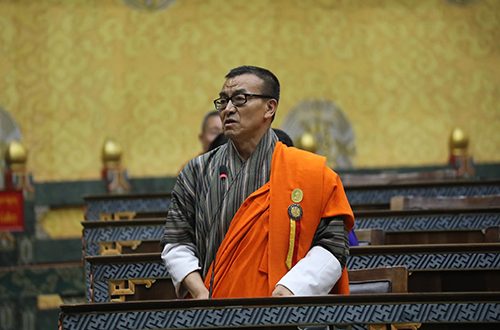
Construction of renewable energy projects in Bhutan edges closer to enjoying reduced costs as the National Assembly adopted the Renewable Energy Exemption Bill unanimously on 4th June 2026.
Lyonpo Lekey Dorji, Minister of Finance and the Member-in-charge of the Bill moved the motion for the adoption of the Renewable Energy Tax Exemption Bill of Bhutan 2026, with all 46 Members voting in favor of the Bill.
During the Third Reading of the Bill, the Deputy Chairperson of the Economic and Finance Committee Gangzur-Minjey Member, Loday Tsheten, said that the Bill is an important intervention to boost Bhutan’s hydropower and renewable energy sector, affirming its status as the “backbone of the economy” and supporting Bhutan’s energy goals.
This Bill encourages investment in renewable energy by offering time-limited tax breaks. These incentives aim to lower development costs, make energy prices more competitive, and improve Bhutan’s energy security.
The House reviewed the Bill, which includes tax exemptions for materials used to build or install approved renewable energy projects. This also applies to the Property Ownership Transfer Taxes where relevant.
The Bill covers many energy sources, including hydropower, solar and wind, biomass and geothermal, biofuels and green hydrogen, and other government-approved sources.
The House also discussed how projects are approved and for tax breaks where applicable. They focused on ensuring that the relevant ministries manage these exemptions fairly, transparently, and responsibly.
The MP said that the Bill aims to aid the energy sector, with concerns that costs for construction may rise in the future.
The Dorjilung and Khorlochhu projects are supported by the Fiscal Incentives Act of Bhutan 2021, exempting them from the Goods and Services Tax (GST), Excise and Customs Duty. However, the new Bill will seek to support the upcoming renewable energy projects.
“As more energy projects are expected and planned for the future, the Bill was introduced as a means to support the sector,” said the MP.
Moreover, this provision also seeks to attract foreign investment in diversifying the energy sector, setting the exemption as one of the key selling points for investment.
The Bill had to made as the GST Act had failed to exempt the renewable energy sector.
The Bill will be transmitted to the National Council in accordance with the Rules of Procedure.