The Bhutanese Leading the way.
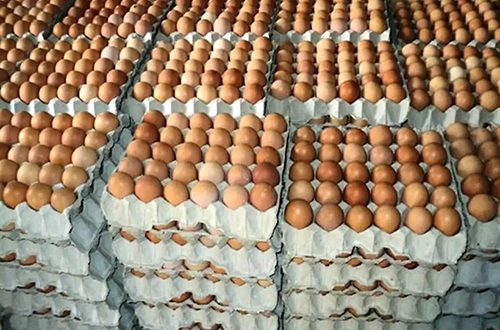
Bhutanese consumers are paying the highest retail prices for eggs in South Asia, according to a new market study published by the Competition and Consumer Affairs Authority (CCAA).
The study found that consumers in Bhutan pay about Nu. 18 per egg, making retail egg prices more than two-and-a-half times higher than those in neighbouring India.
The market study, conducted by Tshewang Penjor, Deputy Chief Trade Officer with the Consumer Protection and Competition Enforcement Division, examined the factors influencing retail egg prices and consumer access to one of the country’s most essential food commodities.
To assess the domestic market, retail prices of locally produced eggs were collected from 16 grocery stores and supermarkets in Thimphu during May 2026. The CCAA later carried out a follow-up survey on June 19, 2026, to verify the initial findings and confirm the observed price differences.
During the surveys, egg prices were recorded on a per-tray basis, with each tray containing 30 eggs, before being converted into a per-egg price to allow for direct comparison.
The study also compared Bhutan’s retail prices with those in India, Bangladesh, Nepal, and Pakistan. Regional price data were obtained through official market price monitoring boards and poultry industry publications in the respective countries.
According to the report, Bhutan emerged as the country with the highest retail egg prices among those surveyed, despite eggs being considered an affordable and important source of protein for households.
The report states that the findings highlight significant price disparities between Bhutan and neighbouring markets and provide a baseline for understanding the factors influencing egg pricing in the country.
The study found that retail egg prices in Thimphu continued to rise over the survey period. The average price increased from Nu. 539.31 per tray (about Nu. 17.98 per egg) in May 2026 to Nu. 548.25 per tray (around Nu. 18.27 per egg) in June 2026.
Furthermore, the report states, “The retail price range in May 2026 spanned from Nu. 500 to Nu. 597 per tray, widening slightly to between Nu. 520 and Nu. 600 per tray in June 2026.”
The report also questioned the effectiveness of the government’s import intervention. While FCBL supplied controlled imported eggs at Nu. 330 per tray, significantly below the market average, consumers continued to pay around Nu. 18 per egg for locally produced eggs.
According to the study, the availability of imported eggs in June did not create the expected market competition, and the intervention ultimately failed to moderate retail prices.
Comparing egg prices across South Asia, the report found that “India offers the most competitive retail rates, whereas Bhutan records the highest prices in the region by a considerable margin.”
At the current retail price of around Nu. 18 per egg, Bhutanese consumers pay about 155 percent more than consumers in India.
The study says India provides the most appropriate benchmark given the countries’ geographic proximity, currency parity, and free bilateral trade arrangements.
Despite being lower than local market prices, controlled imported eggs in Bhutan remain significantly more expensive compared to India.
The FCBL import price of Nu. 11 per egg, which includes import costs, logistics, and government distribution expenses, is still 65 to 96 percent higher than Indian retail prices. The report states that this gap indicates potential for further price optimisation through a more competitive import framework.
According to the study, the existing import arrangement has failed to replicate the benefits of a competitive market.
While FCBL-controlled imports have offered some price relief, the report argues that a single-importer system limits competition and may prevent consumers from benefiting from lower costs.
The report recommends exploring a more liberalised import framework, where multiple private importers could compete to source eggs, potentially reducing costs and improving supply reliability.
According to Tshewang Penjor, the current single-importer arrangement has not been effective in bringing domestic egg prices closer to regional levels.
He said, “The current single-importer State-Owned Enterprise arrangement has demonstrated an inability to achieve price parity with Indian markets or exert sufficient downward pressure on local egg prices.”
In his study, he further noted that biosecurity concerns should not necessarily require a complete ban on egg imports, as risks can be managed through proper regulatory measures. He said that a regulated import system with certified suppliers, veterinary checks, and strict border controls could help maintain safety standards while allowing greater market competition.
He also mentioned that opening the market should be accompanied by support for domestic producers. He said farmers would need assistance through improved access to quality chicks, affordable feed, technical training, and better production systems to help them become more competitive in a more open market.
He recommended lifting the blanket ban on private egg imports and introducing a regulated import system with strict veterinary and biosecurity requirements.
He also called for support measures for domestic producers, including improved access to feed, chicks, technical services, and financing to help farmers compete in a more open market.
As eggs are not only a widely consumed food item but also an important and affordable source of essential nutrients, the study highlights that a single egg provides high-quality protein, essential amino acids, vitamins, and minerals that contribute to overall health.
With rising prices limiting access for many consumers, the study emphasised the need for policies that ensure the affordable and availability of eggs while also supporting the long-term sustainability and competitiveness of domestic producers.