The Bhutanese Leading the way.
In the quiet bends of Bhutan’s rivers, where mist meets water, a rare shadow still glides, the White-bellied Heron. Once found across the Himalayan foothills, the bird now teeters on the edge of extinction, with fewer than 60 left in the world. Nearly half of them live in Bhutan, where a handful of conservationists are fighting to keep its call from fading forever.
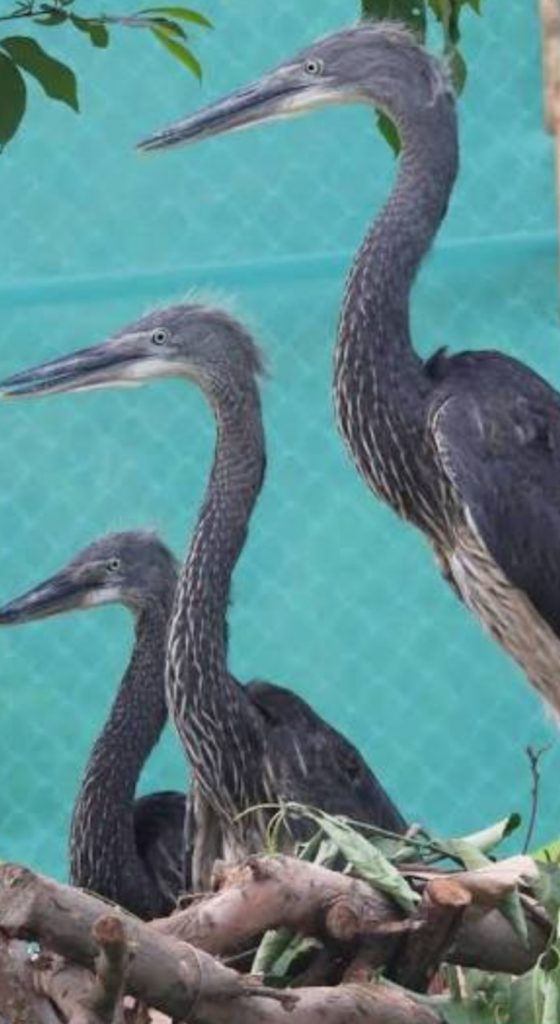
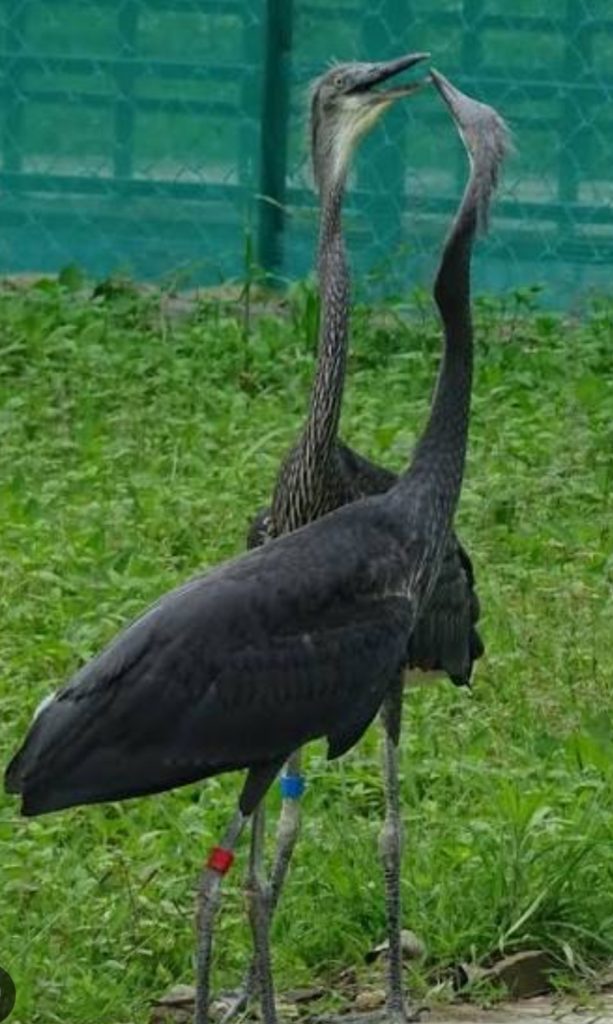
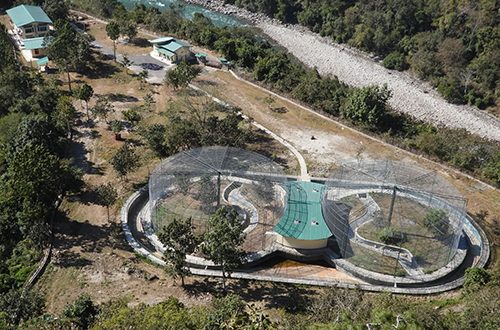
Deep in Tsirang, the White-bellied Heron Conservation Center (WBHCC) stands as a sanctuary of hope. Established by the Royal Society for Protection of Nature (RSPN), the center is the world’s first dedicated breeding facility for the species. Here, two chicks rescued from the wild in 2021 are now thriving, a rare success story in global bird conservation.
“These birds are endangered, and the conservation centers are not just breeding sites, they are their lifelong homes,” said Tshering Tobgay, Research Officer with RSPN. “We are trying to create a safe place where they can live, breed, and hopefully bring their kind back to our rivers.”
The heron’s survival tells a larger story about Bhutan’s environmental values. While hydropower dams, expanding farms, and climate change threaten its river habitats, the country continues to invest in protecting the very ecosystems that sustain life. The WBHCC now serves as both a research hub and a refuge, complete with fishponds, aviaries, and rehabilitation spaces for injured birds.
One such bird was rescued in Dagana in 2022 after being caught in a fishpond net. The center’s team nursed it back to health, saving what amounts to more than four percent of Bhutan’s entire heron population.
RSPN’s efforts began two decades ago when Bhutan rediscovered the bird’s nest after nearly 70 years of silence. Since then, annual monitoring has tracked the tiny population and documented the alarming drop in breeding pairs, from six active nests in 2012 to only three today.
Yet, amidst these numbers lies resilience. In 2011, Bhutan made history as the first country to hatch and raise a White-bellied Heron through artificial incubation, proving that conservation science and compassion can coexist.
The next phase of the mission is ambitious as RSPN plans to build five new aviaries to raise at least 20 birds within three years. Each facility will cost around USD 42,000, and the organization continues to seek global support to make it possible.
Saving the White-bellied Heron is not just about preventing extinction, it is about protecting a symbol of Bhutan’s rivers, resilience, and reverence for life. For now, the heron still stands tall on the banks of the Punatsangchu, watching the waters flow. Whether its wings continue to rise above the mist depends on how long Bhutan can keep faith in the silence it guards.