The Bhutanese Leading the way.
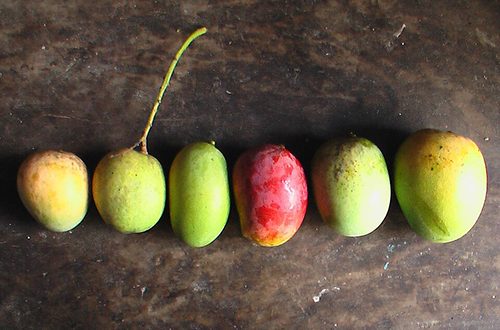
Amid growing regional anxieties over contaminated produce and international food safety alerts, the Bhutan Food and Drug Authority (BFDA) has stepped up surveillance, enforcing mandatory laboratory testing for imported mangoes after detecting dangerous ripening chemicals in local markets.
The regulatory tightening follows recent public concerns stemming from international reports where Indian mangoes and various consumer goods failed import inspections in neighboring nations like Nepal and Japan. Compounding public unease were circulating reports regarding popular Korean instant noodles carrying potential health warnings in Europe.
In response to a question by The Bhutanese at the meet-the-press BFDA officials outlined a robust, risk-based framework designed to insulate Bhutanese consumers from compromised food chains.
Scientific surveillance uncovers Calcium Carbide
Responding directly to queries regarding the safety of imported mangoes, the Chief Regulatory and Quarantine Officer at the BFDA, Dechen Wangmo, emphasized that the authority acts decisively on empirical evidence rather than speculation. When initial alerts surfaced, the agency mobilized swift market sampling and laboratory analysis.
In the preliminary round of screening, BFDA analyzed 11 mango samples, discovering that two contained calcium carbide, a hazardous chemical widely prohibited for artificial fruit ripening due to its severe health risks, which include chemical burns and heavy metal contamination.
Recognizing the limitations of a small sample size, the authority dramatically expanded its surveillance scope.
A second round collected 23 additional samples spanning all major border entry points and retail markets across Thimphu, encompassing multiple commercial importers. Laboratory results confirmed that 10 of these samples tested positive for calcium carbide, with the infractions predominantly concentrated within the popular Langra mango variety.
“Based on this evidence, BFDA immediately strengthened its regulatory measures. All consignments of Langra mangoes are now required to undergo testing in an accredited laboratory before they can be released into the Bhutanese market,” said Dechen Wangmo.
Alongside pre-release testing mandates, the BFDA has escalated import documentation scrutiny, intensified border surveillance, and formally notified all registered food importers of the heightened compliance standards.
Evaluating the Korean noodle safety concerns
Turning to public apprehensions regarding Korean instant noodles (which faced regulatory scrutiny and health warnings in certain European jurisdictions) the BFDA clarified that these products currently occupy a different tier within the nation’s risk-assessment matrix.
According to Dechen Wangmo, Korean instant noodles are not classified as high-risk food items under Bhutan’s current regulatory framework.
Comprehensive market evaluations and toxicological tracking have yielded insufficient evidence to suggest that the specific batches available domestically present an immediate threat to consumer health.
Nevertheless, BFDA continuously tracks global food safety advisories through premier international networks.
On a separate note, Health Minister Lyonpo Tandin Wangchuk added that packaged foods always have a high risk of health complications and urged the public to limit or stay away from packaged and processed foods for better health.