The Bhutanese Leading the way.

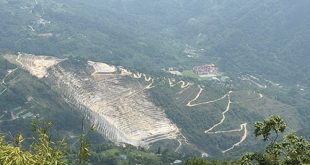
In the hills of Chhoekhorling Gewog, Pema Gatshel, coffee is doing more than just filling empty fields left behind by dying orange orchards, it is reviving local hope and livelihoods.
What began as a small pilot project two years ago, supported by the Bhutan Ecological Society and the gewog administration, has now spread quickly across several chiwogs. Farmers in Gazawung village saw the first signs of success when their saplings, distributed in 2022, began bearing fruit. Encouraged by this, over 100 households across Gazawung, Dizama, Yarjaywung, and Arden-Khalatsho chiwogs have started cultivating coffee.
The gewog administration plans to expand plantations to around 500 acres, continuing to distribute free saplings to keep the momentum going. Farmers themselves are stepping up too, some have begun producing coffee seeds locally to ensure supply keeps up with demand.
A big reason behind the rapid expansion is market assurance from Bhutan Mountain Coffee. Company representatives visited farmers and promised to buy all their harvests, even sending vehicles to collect the beans directly from the villages. For farmers who once struggled with poor roads and distant markets for oranges, this is a critical change.
“After our orange trees died, it felt like there was nothing left to grow,” said a farmer from Gazawung. “But now, coffee gives us hope and a buyer has promised to buy what we produce.”
Before Gazawung’s recent harvest, Arden-Khalatsho chiwog had already shown early success, though large-scale planting there stalled due to lack of manpower. Now, with renewed interest and support, even chiwogs like Dizama and Yarjaywung have begun mass plantations, and Arden-Khalatsho is planning further expansion once more farmers join in.
Looking ahead, farmers hope to start selling coffee as early as this year. If production keeps rising, Bhutan Mountain Coffee plans to set up a collection yard in Nganglam, which would reduce transport hurdles and bring the market closer than ever.