The Bhutanese Leading the way.
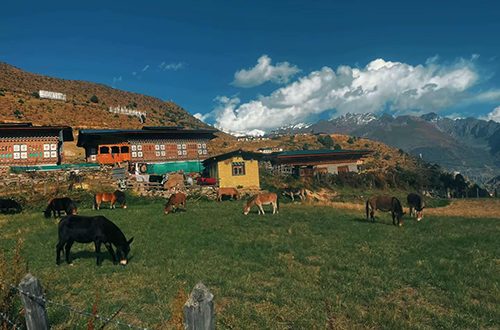
“There is nothing here. What nutrients shall I eat?” asks Rinchen Zam, 23, reflecting on her pregnancy in the highlands of Laya. She knows that a balanced diet rich in fresh fruits, vegetables, and meat is vital for a healthy pregnancy, yet access to these foods is severely limited in Laya due to its remote location.
“I only get to eat fruits or fresh vegetables around 2-3 months of the year, usually when vendors come to sell them,” she said. The rough roads to Laya are not what vendors look forward to.
For the rest of the year, families rely on dried vegetables, grains, and yak dairy.
In Laya, life revolves around yak herding and subsistence farming, and ensuring good nutrition for young children and pregnant women is a persistent challenge.
The community is rich in tradition, yet harsh geographical and climatic conditions make access to nutritious foods extremely difficult. Not a single fruit grows in Laya, and vegetables barely survive the cold.
Only a handful of households with greenhouses cultivate limited varieties such as spinach, turnip, or radish, leaving most families dependent on goods transported over long, rough trails from other regions.
According to UNICEF, many Bhutanese rely heavily on staples such as rice, which provide calories but lack essential vitamins, minerals, and proteins.
“An estimated 86 percent of the population consumes fewer than the recommended five servings of fruits and vegetables per day,” the agency said, highlighting the low dietary diversity in rural and highland areas.
The National Health Survey (NHS) 2023 shows the impact of these limitations: 33.3 percent of pregnant women and 40.9 percent of non-pregnant women were anemic, with higher prevalence in rural dzongkhags. Micronutrient deficiencies were also common among adolescent girls and women of reproductive age, with 57.1 percent showing ferritin deficiency, a protein that stores iron, crucial for making red blood cells. Low ferritin can cause fatigue, weakness, and complications during pregnancy.
Rinchen said the lack of consistent access to fresh foods was a constant worry. “Not getting enough nutrients can affect the baby. Even though the health assistants advise me, it is not easy to follow their guidance when the food is not available,” she explained.
During months without fresh produce, families ration dried vegetables, grains, and yak dairy, but it is far from sufficient.
“More frequent deliveries of fruits and vegetables, or opportunities for families to grow them locally, would make a significant difference,” she said. “We try our best, but sometimes it feels like no matter what we do, the options are too limited.”
For Pema Cheki, 34, the consequences of low nutrition, vitamins and minerals were more severe. “The Health Assistant told me I could not deliver my baby here as both I and the baby had no water (amniotic fluid),” she said.
Being a vegetarian, Pema relied mainly on fruits and vegetables brought once a month by vendors, leaving her diet extremely limited. She tried to follow the Health Assistant’s advice, drinking more water and maintaining a balanced diet, but options remained scarce.
The region’s Health Assistant, Pema Choden, highlighted the widespread nature of nutritional challenges in the region. “Most of the people reported in the hospital have nutritional deficiencies,” she said. When advised to eat adequately, pregnant women often respond, “There is nothing here.”
UNICEF, in conversation with this reporter, emphasized its support to highland communities through the government, helping health workers promote maternal, child, and adolescent nutrition.
“Strengthening preconception nutrition, expanding adolescent nutrition programs, and targeted interventions in high-risk populations are critical to reducing anemia and improving maternal and child health outcomes,” the agency said.
Children in Laya face similar challenges. While urban children have daily access to fresh vegetables, fruits, meat, and dairy, children in the highlands rely on dried vegetables, grains, and yak dairy, with fresh produce arriving only occasionally.
Leki Wangchuck, 12, admitted his knowledge of nutrition was limited. “What is that?” he asked when questioned about it. Pressed further, he added, “Yes, we have to eat more greens.”
Though his school had awareness programs encouraging children not to eat junk food, he confessed, “I eat more junk food.” He experiences chest pain from frequent consumption of spicy instant noodles, which he enjoys, saying, “My spice tolerance is very high.”
Similarly, 12-year-old Pema Namgay, a monk, shared that children at his Dratsang receive fresh vegetables and fruits about three times a week, along with potatoes, meat, and an egg daily.
Yet, like Leki, he gets junk food from the nearby canteen.
He said, “We do get to eat fruits, but fruits are mostly available only during Losar,” making them rare treats rather than a daily source of nutrition.
Students from Laya Middle Secondary School, including 10-year-olds Dorji Dema and Dorji Pem, said they eat vegetables, fruits, and meat, but the presence of shops selling junk food around the school makes it difficult to resist.
Dorji Pem experiences stomach aches and dental problems, but insists, “This is not because of junk.”
Their responses reflect both the strong appeal of convenient snacks and limited awareness of nutrition-related risks.
Moreover, in Laya, shops selling junk food outnumber those offering fresh fruits and vegetables, making unhealthy snacks more accessible than nutritious options.
Most importantly, there is a disparity between the diets of children in Laya and urban centers. Highland families often dry vegetables to preserve them for months, particularly those without greenhouses. For children, dried vegetables have become familiar tastes.
10-year-old Tsheing Pem said, “I like dry vegetables more than beans and pumpkins,” illustrating how geography and seasonal limitations shape early eating habits.
The Principal of Laya Middle Secondary School, Kinley Dorji, described the school’s efforts to provide balanced meals. Beef, chicken, pork, and seasonal fruits, mostly apples, are served when supplies arrive.
“We try to provide enough nutrients for students. During summer, roadblocks sometimes prevent fresh vegetables from reaching us,” he said. Moreover, tea is replaced with milk, and children receive fruits or yogurt after meals.
However, kitchen operations face challenges. “Cooks have not received formal training in 4–5 years, creating gaps in nutrition-focused preparation,” he said. Many students also prefer dry vegetables over fresh greens, reflecting both taste and the difficulty of encouraging healthy eating habits.
The experiences of Rinchen, Pema, and the children of Laya highlight the ongoing struggle to maintain diversified diets in highland communities. Despite awareness programs, school interventions, and occasional deliveries of fresh produce, geographic isolation, seasonal supply constraints, and limited local cultivation continue to hinder adequate nutrition for pregnant women and young children in Bhutan’s remote highlands.
For the pregnant women and the children of Laya, nutrition is more than a matter of food; it is a daily challenge shaped by geography, climate, and limited access. While programs and awareness campaigns exist, the gap between recommendations and reality remains vast.
As the highlands remain isolated, the struggle for diversified diets continues, one rationed meal at a time.
This story was covered as part of the media reporting grant from UNICEF