The Bhutanese Leading the way.
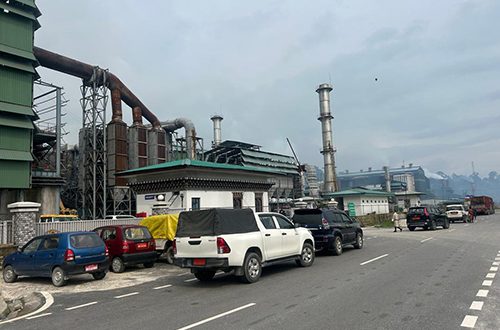
As industries expand, Samtse sees rising land demand from local and overseas Bhutanese investors
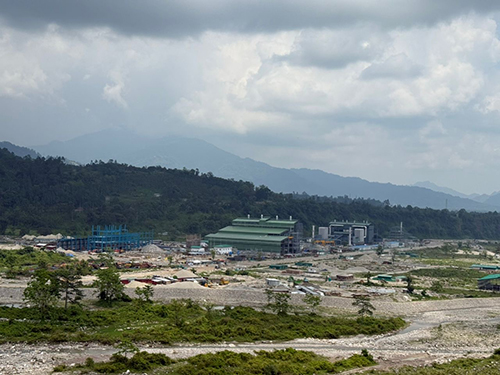
Samtse is emerging as one of the country’s rapidly developing industrial centres, with expanding factories, mines and manufacturing units reshaping the dzongkhag and creating new opportunities for employment and investment. The Ministry of Industry and Commerce has stated that Norbugang Industrial Park is on track to become a major industrial hub, attracting investment from both domestic and foreign sources. The development is expected to strengthen industrial activity while contributing to economic growth, employment and national revenue.
The rapid expansion of industries has also increased interest in land in and around Samtse. With the dzongkhag undergoing significant industrial development, more people are looking to purchase land, anticipating that continued industrial growth will increase demand for residential and commercial properties. The growing interest is not limited to residents of Samtse.
Bhutanese living abroad are also reported to be purchasing land in the dzongkhag, seeing the area’s industrial development and the Gelephu Mindfulness City (GMC) as factors that could influence future property demand and prices.
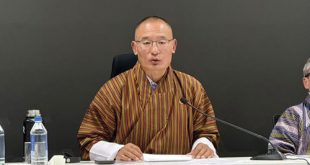
During a consultation meeting in Samtse Dzongkhag, Minister for Industry, Commerce and Employment Namgyal Dorji said the dzongkhag should place greater emphasis on industrial development, as it could bring greater economic benefits in the future.
Lyonpo Namgyal Dorji said Samtse has the potential to strengthen its industrial base given its ongoing industrial activities and available opportunities. Rather than spreading its focus across different areas, he suggested that the dzongkhag could give greater priority to industries that have the potential to generate employment, attract investment and contribute to the local economy.
He said a stronger focus on industrial development could help Samtse make better use of its resources and create more long-term economic opportunities for the people.
Samtse Dzongda Melam Zangpo said the growth of industries in the dzongkhag is creating employment opportunities for local people, with approximately 4,643 people currently working in various industries. He said the expansion of industrial activities is also increasing demand for land in Samtse, as more investors and businesses look for suitable areas to establish new industries and expand existing operations.
“The growth of industries will bring greater economic benefits in the future, but it has also increased demand for land,” he said.
According to the Dzongda, the rising demand has contributed to an increase in land values and prices in areas surrounding industrial developments. As industrial activities continue to expand, landowners are seeing higher market values for their properties, while businesses face increasing costs when acquiring or leasing land. He said the industrial growth presents an opportunity for Samtse to strengthen its economy by creating more jobs, attracting investment and generating income for local communities.
However, the increasing value of land also highlights the need for proper planning and sustainable use of available land to support future industrial development. With several industries already operating and more projects expected to come up, Samtse is gradually positioning itself as an important industrial hub, with the sector expected to create further employment and economic opportunities for the dzongkhag.
Kumari Rai, a staff member of T-Rank Estate Property Solution, who looks after the southern dzongkhags, said demand for land in Samtse has increased significantly, with buyers showing growing interest in properties in the dzongkhag. She said the company established its office in Phuentsholing about a year ago to cater to clients in the southern region. Since then, Samtse has emerged as one of the areas receiving considerable interest from land buyers. According to her, around 82 percent of the land deals handled by the company in the southern region have been in Samtse, reflecting the growing demand for property in the dzongkhag.
Kumari Rai said the buyers are not limited to people residing in Bhutan. A significant number of Bhutanese living abroad, around 40 to 50 percent of the buyers, are also purchasing land in Samtse, mainly because of the expected economic opportunities from the growing industrial sector and developments linked to the GMC.
“People are buying land in Samtse because they see better opportunities from the growth of industries and the development of Gelephu Mindfulness City,” she said.
The increasing demand has also contributed to a rise in land prices, with buyers seeking properties that could offer better returns as industrial activities and other economic developments expand in the south. The trend reflects growing expectations that Samtse could benefit from its proximity to major economic developments in the region. With industrial expansion creating employment and business opportunities, land in the dzongkhag is increasingly being viewed as a long-term investment.