The Bhutanese Leading the way.
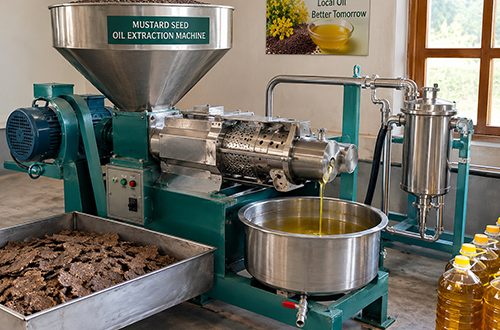
Gewog initiative aims to reduce reliance on imported oil as farmers expand mustard cultivation
Metakha Gewog in Chukha has stepped up efforts to produce mustard oil locally as part of an initiative to reduce dependence on imported edible oil and strengthen local agricultural production. The gewog administration, in collaboration with local farmers, began preparing for local mustard oil production last year. After months of preparation, the initiative began oil extraction in March 2026. Farmers in Metakha have been cultivating mustard in preparation for local oil production. The initiative is aimed at meeting local demand while creating opportunities for farmers to produce a surplus that could eventually be supplied to other dzongkhags.
The gewog plans to develop the capacity to produce up to 20,000 metric tonnes of mustard oil annually. The initiative is currently in its early stages, with around 1,500 litres of mustard oil extracted from 5,000 kilograms of mustard seeds so far. The initiative is not limited to Metakha. Farmers from a few other gewogs are also bringing their mustard seeds to Metakha to extract oil, allowing them to make better use of their locally grown produce and reduce their dependence on imported mustard oil.
However, poor transportation infrastructure remains a major challenge for farmers involved in the initiative. Difficult road access and the lack of proper bridges have made it difficult to transport mustard seeds and other agricultural produce to and from the communities. Despite these challenges, farmers have continued cultivating mustard, seeing potential for both household consumption and commercial production. The gewog administration hopes that improved access to processing facilities and better transportation infrastructure will allow farmers to increase production in the coming years.
The initiative forms part of the broader effort to increase domestic agricultural production and reduce Bhutan’s reliance on imported food products. By processing mustard locally, farmers can add value to their produce while keeping more of the economic benefits within the community.
The Gup of Metakha Gewog, Passang Tshering, said around 200 households in the gewog are currently engaged in mustard cultivation as part of the effort to increase local production and reduce dependence on imported mustard oil. He said the main objective of the initiative is to encourage households to grow mustard locally and process the seeds into oil for local consumption. The gewog also hopes that increased production will create opportunities for farmers to generate additional income from their agricultural produce.
He said improving road connectivity is also important for the success of the initiative. The gewog plans to carry out maintenance of its gewog connectivity roads to make it easier for farmers to transport mustard seeds, oil and other agricultural produce. According to the Gup, better road access will help reduce transportation difficulties faced by farmers and support the movement of agricultural products between villages and markets. With more households taking up mustard cultivation, maintaining reliable road access will be important for expanding local oil production and ensuring that farmers can make better use of the new processing facility.
A resident of Metakha Gewog, Chimi Nidup, who currently operates the oil extraction machine, said more people are showing interest in agriculture, particularly mustard cultivation, as the local oil production initiative gains momentum.
He said the machine is located at a convenient and accessible location, making it easier for farmers from Metakha as well as nearby gewogs to bring their mustard seeds for oil extraction.
According to Chimi Nidup, many households in the community now prefer locally produced mustard oil for cooking instead of imported cooking oil. He said the growing preference for local oil is encouraging more people to cultivate mustard and make use of the processing facility. He also said the machine can produce purified mustard oil for commercial purposes based on customers’ requirements. For those who want to sell or use the oil commercially, a purifier is used to further process the extracted oil according to their orders.
He said the growing demand for locally produced mustard oil could encourage more farmers to take up mustard cultivation and provide an additional source of income for rural households. With more farmers from neighbouring gewogs using the facility, the initiative could also support wider local production and reduce dependence on imported mustard oil.
The mustard oil produced in Metakha is not only being used for household consumption but is also being supplied to local shops for sale. This is creating a small market for locally produced mustard oil and giving farmers an opportunity to earn income from their produce.
Alongside running her shop, Tshewang Dema is also cultivating mustard to support the local production of mustard oil. She said she extracted around 40 to 45 litres of oil from 80 kilograms of mustard seeds. She said producing mustard oil locally has reduced the difficulty and cost of bringing oil from Phuentsholing, particularly during the summer months when transportation can be challenging.
“Before, to sell mustard oil in my shop, I had to bring it from Phuentsholing. This was one of the hardest parts, especially during summer, and the transportation cost was very high,” she said. Tshewang Dema said the mustard oil she previously brought from Phuentsholing was sold at Nu 220 per litre. With local production, she is now able to sell the oil at Nu 170 per litre, making it more affordable for customers while also reducing transportation costs.
She said the availability of the local oil extraction facility has made it easier for her to produce and sell mustard oil within the community. She also plans to expand her mustard cultivation area so that she can increase production and eventually supply locally produced mustard oil to other dzongkhags. She said expanding mustard cultivation could benefit both farmers and consumers by creating a market for locally grown produce, reducing transportation costs and increasing the availability of locally produced cooking oil.
A farmer from the gewog, Sangay, said he was unable to cultivate mustard this year but used seeds from his previous harvest to extract around 20 litres of mustard oil. He said the quantity is sufficient to meet his household’s cooking needs. He said he usually cultivates mustard on about two acres of land and plans to expand the area from next year. With growing demand for locally produced mustard oil, he hopes to produce enough oil not only for household consumption but also to supply local shops and generate additional income.
He said the availability of the oil extraction machine has made it easier for farmers to process their mustard locally instead of having to transport the seeds elsewhere. The opportunity to sell the locally produced oil is also encouraging farmers to consider mustard cultivation as an additional source of income.
Sangay said expanding mustard cultivation would allow him to make better use of his land while meeting local demand for mustard oil. He plans to increase production gradually and supply the oil to shops once he has sufficient output.