The Bhutanese Leading the way.
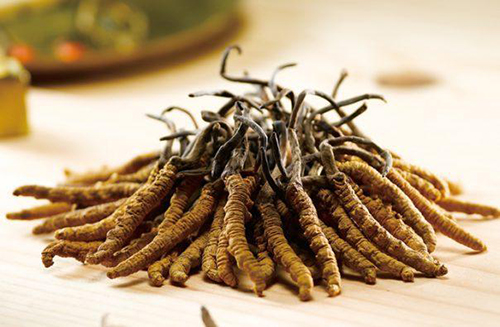
The Annual Cordyceps Auction 2026 recorded the transaction of 300.16 kilograms (kgs) of cordyceps across eight auction centers, with 73.02 kgs sold through auction and 227.15 kgs withdrawn. According to the auction records, the withdrawn quantity accounted for 75.67 percent of the total quantity transacted. The withdrawal was mainly attributed to low bid prices offered by bidders, with collectors not receiving the expected prices for their cordyceps.
A total of 2,317 collectors and 29 bidders participated in the auction held across the eight centers.
Khatoed Gewog Office recorded the largest reported total quantity transacted at 100.86 kgs. It also recorded the highest withdrawal, with 99.58 kgs of cordyceps withdrawn. The lowest withdrawal was recorded at Kazhi Gewog Office at 0.082 kg. Meanwhile, Sephu Gewog Office recorded the highest quantity sold through auction at 29.38 kgs.
Khamaed Gewog Office recorded the highest number of collectors, with 567 participants. It also recorded the highest bidder participation, with 25 bidders. The highest recorded bid value among the eight auction centers was Nu 3,602,000 per kg at Khamaed Gewog Office, while the lowest recorded bid was Nu 55,000 per kg at Kawang Gewog Office.
The auction records show that the large volume of withdrawals was linked to the bid prices offered during the auction, as collectors withdrew their cordyceps when the prices did not meet their expectations. In total, 300.16 kgs of cordyceps was brought for auction across the eight centers, of which 73.02 kgs was sold and 227.15 kgs was withdrawn. A total of 2,317 collectors and 29 bidders participated in the Annual Cordyceps Auction 2026.
Rinchen Khandu from Sephu Gewog under Wangduephodrang withdrew his cordyceps from the auction after finding the price offered was lower than expected. Rinchen said he and his wife spent almost two months collecting cordyceps in the highlands, but their efforts resulted in earnings of only about Nu 500,000. He said the amount was disappointing considering the time, effort and challenges involved in collecting the high-value medicinal fungus.
“We worked hard for almost two months, but after seeing the price offered at the auction, I decided to withdraw my cordyceps,” he said. He said the situation was different last year when cordyceps fetched a better price at the auction. The decline in prices this year has made it difficult for collectors to recover the costs and effort involved in the collection season, he said.
For collectors like Rinchen, cordyceps collection not only provides a seasonal source of income but also involve weeks of living in remote and difficult high-altitude areas. Collectors have to endure harsh weather conditions and challenging terrain while spending long periods away from their homes and families.
Rinchen said the price received at the auction plays an important role in determining whether the income from cordyceps collection is worthwhile for collectors. He said collectors put considerable effort into gathering the fungus and naturally expect prices to reflect the difficulty involved in the work.
The concerns come as collectors and buyers participated in the Annual Cordyceps Auction 2026, where the price of cordyceps remained an important factor for collectors deciding whether to sell or withdraw their harvest. For collectors, fluctuations in cordyceps prices can have a direct impact on their seasonal household income. A lower auction price means that even after spending weeks in the mountains, the returns may not meet their expectations. Rinchen said he hoped the market would improve in the future so that collectors could receive better returns for their efforts.
Lam Dorji, owner of Rinzang Doedjo Export and a regular bidder at the annual cordyceps auction, said he observed a significant number of collectors withdrawing their cordyceps during this year’s auction. He said the number of bidders varied considerably across the eight auction venues, which could have affected competition and the prices offered to collectors.
According to the 2026 auction records, Khamaed Gewog Office recorded the highest number of bidders, with 25 participating in the auction. Khatoed Gewog Office recorded the lowest, with only five bidders. Lam Dorji said the withdrawal of cordyceps was noticeable during the auction, as many collectors choose not to sell their harvest at the prices offered.
The Annual Cordyceps Auction 2026 recorded 105 bidders across the eight auction venues, while 2,317 collectors participated. He said the number of bidders and the competition among them are important factors in determining the prices collectors can receive for their cordyceps.