The Bhutanese Leading the way.
Hospitals across Bhutan recorded 23,270 outpatient cases of Influenza-Like Illness (ILI) and 62 Severe Acute Respiratory Infection (SARI) admissions over two weeks, according to the latest Biweekly National Respiratory Virus Sentinel Surveillance Report by the Royal Centre for Disease Control (RCDC).
The report, covering 29th June to 12th July (Weeks 27 and 28), shows that “ILI outpatient cases increased slightly from 11,515 in Week 27 to 11,755 in Week 28, while SARI admissions declined from 33 to 29.”
Paro Hospital recorded the highest number of ILI outpatient cases in both weeks, with 3,139 cases in Week 27 and 3,499 cases in Week 28.
The Jigme Dorji Wangchuck National Referral Hospital (JDWNRH) recorded the highest number of Severe Acute Respiratory Infection (SARI) admissions during both reporting weeks. According to the report, “The hospital reported 18 SARI admissions in Week 27, which declined to 11 admissions in Week 28, remaining the highest among all reporting hospitals.”
ILI refers to patients with fever and cough seeking outpatient treatment, while SARI refers to severe respiratory infections requiring hospital admission.
The surveillance report comes as respiratory viruses continue to circulate during Bhutan’s peak monsoon season.
Between 24th and 31st July, the RCDC also recorded four respiratory illness outbreaks involving 615 cases of fever, flu, and acute upper respiratory infection reported from communities and schools in three dzongkhags. The RCDC’s latest report highlights a surge in respiratory infections in the country.
In Nganglam, Pemagatshel, the whole dungkhag and town area recorded 321 cases of fever and cough on 24th July.
Khar School in Pemagatshel also reported 33 cases of flu-like illness on 26th July.
Dagana reported 217 flu cases during an outbreak in Lhamoizhingkha gewog on 25th July.
In Samtse, Sengdhyen Lower Secondary School reported 44 cases of acute upper respiratory infection on 27th July.
Of the four reports, two were linked to educational institutions, indicating increased transmission among students.
An official from the RCDC told this paper that the increase was being observed nationwide, adding, “It is happening nationwide, probably because it is the flu season.”
The season also coincides with the reopening of schools after mid-term breaks, which can contribute to faster spread of viruses in classrooms and dormitories.
RCDC continues to collect event reports from dzongkhag health offices across the country to monitor trends and guide public health response.
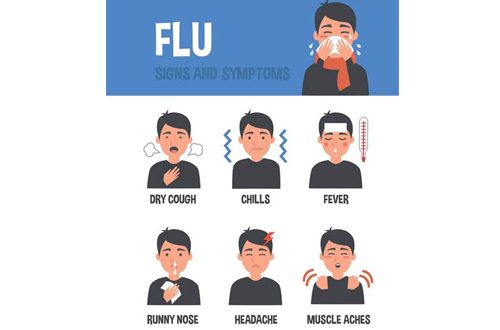
Health experts advise that influenza and other respiratory viruses spread mainly through droplets when an infected person coughs or sneezes. Common symptoms include fever, cough, sore throat, body aches, and fatigue.
The Ministry of Health advises the public to practice hand hygiene, wear masks in crowded places, and cover coughs and sneezes.
People experiencing fever and respiratory symptoms have been asked to stay home and avoid contact with others to prevent further transmission.