The Bhutanese Leading the way.
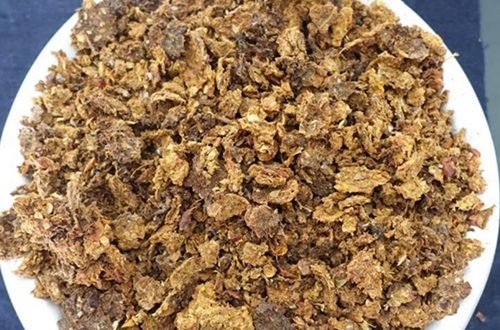
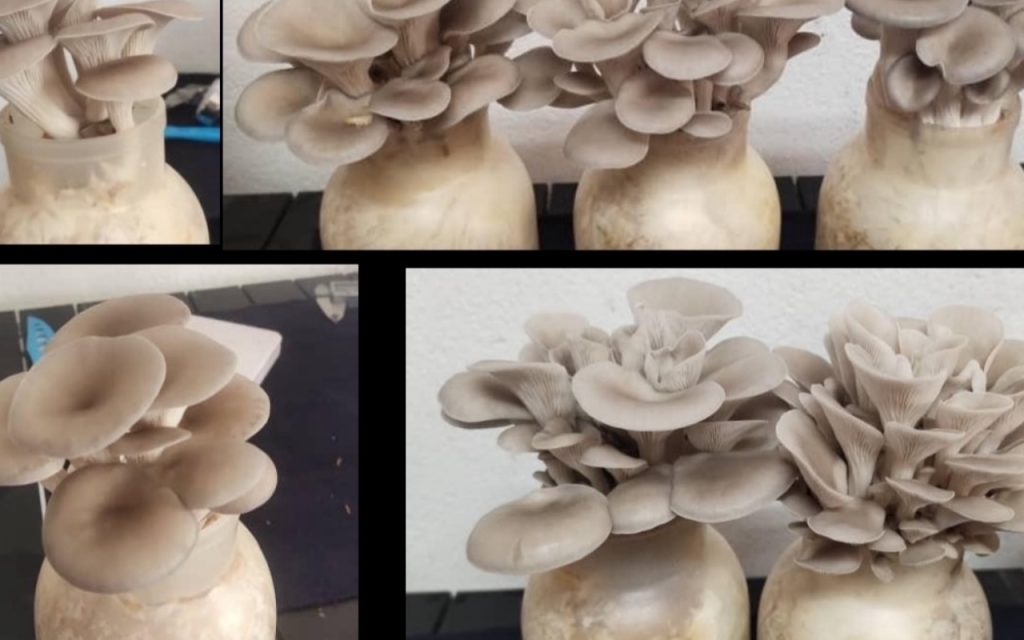
Researchers from the College of Natural Resources (CNR) under the Royal University of Bhutan, are studying the use of apple pomace as a new and sustainable material for growing oyster mushrooms.
Apple pomace is the leftover pulp, skin, seeds, and cores of apples after they are pressed for juice or cider. In the past, this waste was often discarded or used as animal feed. But researchers and farmers are now discovering that it can be reused as a growing medium to cultivate mushrooms. This shift not only adds value to waste but also supports sustainable farming practices.
In a recent study titled “The Assessment of Apple Pomace as a Basic Substrate and a Nutrient Supplement for Oyster Mushroom (Pleurotus ostreatus) Cultivation in Bhutan”, CNR researchers Karma Thinley and colleagues explored how apple pomace can be repurposed in mushroom farming. The study found that when apple pomace is used either as a main substrate or as a supplement to other growing materials, it can help improve mushroom yield and reduce reliance on conventional resources like sawdust or paddy straw.
Mushroom farming in Bhutan commonly uses sawdust as the main substrate, the material where mushrooms grow. While sawdust provides a good structure, it is low in nutrients. Apple pomace, on the other hand, contains natural sugars, fiber, and moisture qualities that are beneficial for the growth of mushroom mycelium, the root-like structure mushrooms grow from.
When mixed with sawdust, apple pomace improves the nutrient content and moisture level of the substrate. This creates a richer environment for mushrooms to grow faster and produce more fruiting bodies.
Studies in Bhutan have shown that mixing 30% apple pomace with 70% sawdust gives the best results.
The National Mushroom Centre (NMC), which promotes mushroom farming in Bhutan, has also highlighted the potential of using apple pomace in mushroom production. While the NMC encourages practical trials and farmer adoption, the scientific groundwork is being laid by CNR’s academic researchers.
This practice is gaining attention among local farmers, especially those in apple-producing regions. It allows them to make use of leftover apple waste from processing units, turning what was once a disposal problem into a productive resource.