The Bhutanese Leading the way.
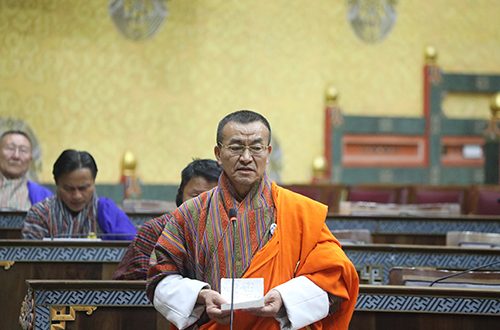
The National Assembly on Friday passed the Goods and Services Tax (Amendment) Bill of Bhutan 2026, with all 45 Members voting in favor of the motion.
The amendment proposes the inclusion of 22 new items under Schedule IV C of the principal Act, which lists goods exempted from GST.
The largest category of exemptions covers 19 types of edible cooking oils, including soya-bean oil, ground-nut oil, olive oil, palm oil, sunflower oil, safflower oil, cotton-seed oil, coconut oil, palm kernel oil, mustard oil, and other vegetable-based oils and hydrogenated vegetable fats.
According to the amendment, these oils are widely consumed by households across Bhutan and form a significant part of the essential food basket. The exemption is intended to reduce the cost of a basic dietary staple for households across all income levels, particularly lower-income families for whom edible oil represents a larger share of food expenditure.
The amendment also proposes the exemption of two additional rice varieties, adding to the rice category already exempted under the current Schedule IV C. The newly exempted varieties include husked (brown) rice and semi- or wholly milled rice, while red rice (Yeechum) is also included under the revised provisions.
The amendment states that rice is the primary staple food in Bhutan, while red rice holds particular cultural and nutritional significance and is widely consumed across the country. The inclusion of these rice varieties reflects the government’s commitment to ensuring food security and reducing the cost of living for Bhutanese households.
In addition, the amendment exempts motorized wheelchairs from GST. While manual wheelchairs are already exempted under the current Schedule IV C, the amendment recognizes that advancements in technology have enabled persons with disabilities to use motorized wheelchairs as their primary mobility aid.
The total number of exempt goods under Schedule IV C will increase from 9 to 31 upon enactment of the amendment.