The Bhutanese Leading the way.
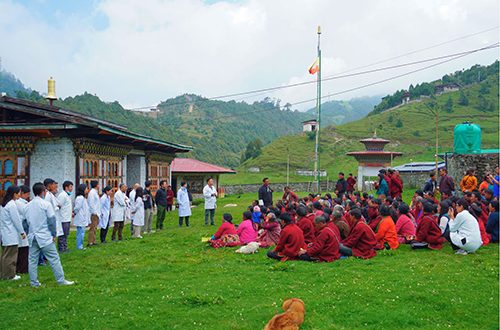
The Bhutan Foundation’s Nomadic Health Camp 2026 revealed a significant burden of Non-communicable diseases (NCDs) and infectious diseases among residents of Merak and Sakteng, with nearly four in 10 people screened being found to have raised blood pressure and dozens requiring specialist care.
Conducted by the Ministry of Health (MoH), the camp provided screening and treatment to 2,294 people, covering about 72 percent of the target population. Of those served, 889 were from Merak, 1,242 from Sakteng, and 163 from Joenkhar.
According to the MoH, the camp identified hypertension, osteoarthritis, dental problems, and eye and ear conditions, and peptic ulcer disease as the most common health problems affecting residents.
The NCD screening revealed that 513 of 1,294 individuals screened had elevated blood pressure, representing a prevalence of 39.6 percent.
In addition, 86 of 748 individuals screened, or 11.5 percent, were found to have raised blood sugar, indicating a significant burden of people living with elevated cardiovascular and metabolic risk factors.
The camp also detected conditions requiring further treatment, including 59 advanced cataract cases requiring surgical intervention, 44 cases of syphilis, 9 cases of hepatitis B, and congenital and developmental conditions among children, including cleft lip and palate, heart murmurs, developmental delays, and severe anaemia.
The MoH said, “The high prevalence of syphilis and hepatitis B underscores the urgent need to strengthen public awareness and advocacy on the prevention of sexually transmitted infections (STIs) and HIV, while also expanding regular screening programs for common NCDs like diabetes and hypertension in the two gewogs.” Patients requiring specialized care were referred for further evaluation and treatment.
These include nine patients who tested positive for hepatitis B, 15 patients scheduled for major surgical procedures, and six suspected gastric cancer cases require biopsy confirmation, and patients with abnormal non-communicable disease screening results who were enrolled for follow-up through the district hospital and the respective primary healthcare centres.