The Bhutanese Leading the way.
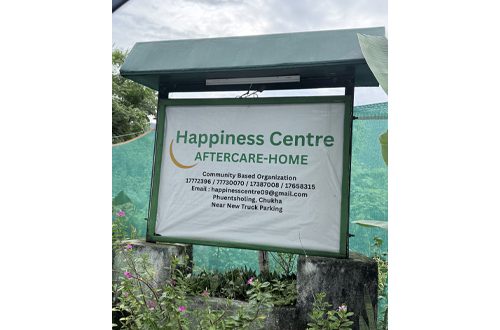
Happiness Center in Phuentsholing says long-term recovery depends on continued support as many recovering individuals struggle with stigma, unemployment and relapse
For many individuals recovering from substance and alcohol use disorders, completing rehabilitation is only the beginning of a much longer journey.
Without continued emotional, social and practical support, many remain vulnerable to relapse.
Recognizing this gap, the Happiness Center Aftercare Home in Phuentsholing has been working to provide structured post-rehabilitation support, helping recovering individuals rebuild their lives and reintegrate into society.
Established in 2019 as a community-based organization, the Happiness Center serves as a transitional home for individuals who have completed rehabilitation but are not yet ready to return to their families and communities independently.
Its vision is to empower individuals with substance and alcohol use disorders to lead productive, independent and fulfilling lives, while its mission is to provide intervention, referrals and comprehensive aftercare support.
The founder of the center, Bhub Dorji, who has worked in the addiction recovery field for 16 years and has maintained his own sobriety for the past 18 years, said rehabilitation alone cannot guarantee lasting recovery.
“We need to think about their family situations, health, skills and emotional wellbeing. Only then is recovery possible,” he said.
He also noted that many individuals relapse within months or years after completing rehabilitation because the underlying challenges that contributed to their addiction often remain unresolved.
“In two to three months after rehab, they relapse. One year, two years, they relapse. It is high time for Bhutan to focus on post-care and aftercare,” he said.
According to Bhub Dorji, many recovering individuals leave rehabilitation without the emotional resilience needed to cope with everyday crises.
“There are a lot of mental issues inside the individual who comes out from rehab. They are not strong enough to handle crisis situations. They need a space where they can go, express their emotions and be understood.”
He said the centre aims to provide that safe space where members can regularly return to share their struggles, discuss future plans and support one another through recovery.
He said that even research has consistently shown that the risk of relapse remains high after treatment if individuals do not receive continued support.
Bhub said that studies indicate that around 60 percent of individuals leaving rehabilitation are likely to relapse, largely because they return to unstable family environments, unresolved emotional problems, stigma and a lack of coping mechanisms.
He said, “They have issues at home because relationships have broken down. They have been judged and continue to be judged. There is stigma and discrimination in society. Their health has also been affected after years of substance use.”
He added that prolonged addiction often disrupts an individual’s sense of purpose, leaving many uncertain about employment, education or future goals.
“Coming out from rehab, one is always vulnerable,” Bhup said.
Family support, he said, is equally important but often overlooked.
He further added, “We can’t blame the family because it is not their fault. They are not educated on how to handle their children after rehab.”
According to him, many families become anxious when they learn their loved one is returning home, particularly if trust was repeatedly broken before rehabilitation.
He said, “Whenever they go out, the family continues to doubt whether they are using substances again. Feeling helpless and doubted every time, individuals often think there is no other option but to return to substance use.”
He added that employment presents another major challenge.
He said, “After coming out from rehab, they need to find a job, but without skills how is that possible?”
The Happiness Center addresses these challenges through a four-month aftercare programme built around four interconnected areas-Home, Health, Purpose and Community-adapted from the Substance Abuse and Mental Health Services Administration’s (SAMHSA) internationally recognized Four Dimensions of Recovery framework.
The ‘Home’ component provides residents with a stable, substance-free environment while helping them establish daily routines, rebuild responsibility and restore relationships with family members before eventually transitioning back into independent living.
The ‘Health’ component focuses on physical and mental wellbeing through regular health assessments and follow-ups, emotional support, nutrition, fitness activities and referrals to medical and psychological services when needed.
Under ‘Purpose’, residents receive vocational trainings, goal-setting support, recovery planning, routine-building to empower them to contribute positively to family and society and life skills development and improve their chances of securing employment and becoming financially independent.
The Community dimension encourages peer support, recovery circles, volunteerism and stronger family involvement, helping residents build healthy social networks that support long-term sobriety.
Beyond these four pillars, the center also provides individual and group counselling, 12-step programs, self-help groups, relapse prevention planning, sober living measures and access to medical, psychological and social support services.
The structured program intends to help recovering individuals recognize triggers and warning signs early while developing healthy coping strategies before relapse occurs and stay focused, motivated and committed to their recovery journey.
Peer support also forms a central part of the program.
Residents who have faced similar struggles, share experiences with each other helping build confidence, accountability and hope throughout the recovery process.
This sense of belonging plays a major role in building resilience and strengthening recovery.
Since opening in 2019, the Happiness Center has supported more than 4,000 individuals through its various intervention, referral and aftercare services.
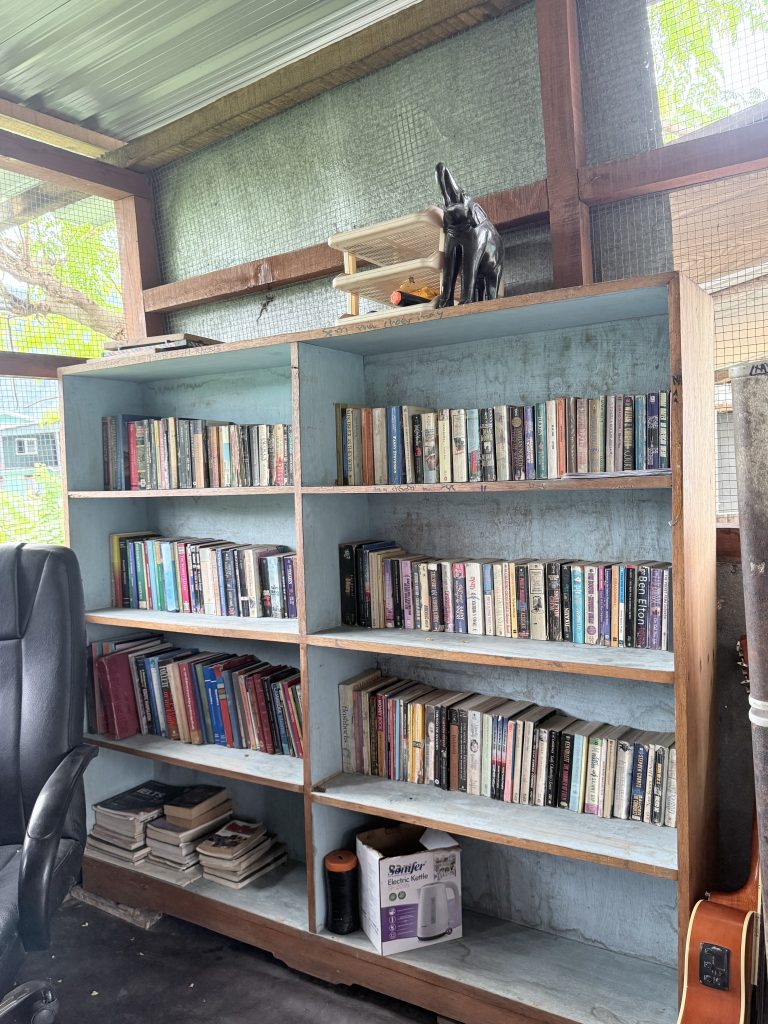
Currently, the center has 19 members ranging in age from 15 to 90 years.
However, economic sustainability remains a significant challenge.
Only two of the current members are able to pay the fees, while the remaining residents are supported through donations and assistance by the center.
The founder said that the center is trying its best to provide the basic needs to its residents. However, with increasing numbers accommodation has become the main challenge.
Additionally, the center operates with only two full-time staff, the founder himself and a center manager, supported by more than 20 volunteers, including former center graduates who now volunteer to help others in recovery.
Much of its day-to-day operations are sustained through contributions from 25 members including support from private businesses.
Despite limited resources, Bhub Dorji believes providing a place where recovering individuals feel accepted may be one of the most important aspects of recovery.
He said, “We need to give them a free space where they can come any time and share their stories and their pain, so they feel loved, cared for and understood. Those things give them inspiration and motivation.”