The Bhutanese Leading the way.
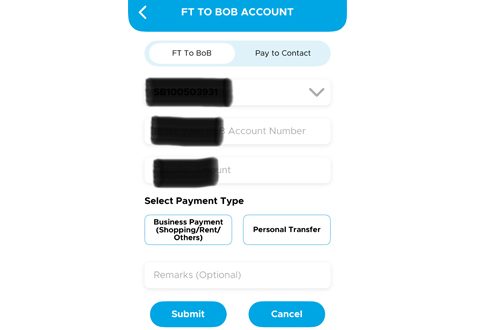
The Department of Revenue and Customs (DRC) has rolled out a new digital payment classification framework aimed at improving transparency and clarity in digital transactions by distinguishing payments made for business purposes from genuine personal transfers.
The framework comes amid concerns that business and personal transactions are sometimes mixed together. Although businesses are required to use designated CD accounts, the requirement has not always been followed consistently, making it difficult to determine the nature of some transactions.
The DRC was clear that the framework does not introduce a new tax or impose additional taxes on individuals. Rather, it is meant to improve the quality of information available on digital transactions so that existing tax laws can be administered more effectively and fairly. Under the system, the payer indicates the purpose of a transaction at the time of payment, choosing between two categories. Business Payments cover goods, services, rent, shopping, food, accommodation, hotel and restaurant bills, parking, and professional services. Personal Transfers cover purely personal transactions such as family support, pocket money, gifts, contributions among friends, and reimbursement of personal expenses.
Classification alone will not determine a person’s tax liability. A transaction marked as a Business Payment does not automatically mean tax will be assessed on it. GST, Business Income Tax and other obligations will continue to be determined under existing tax laws, meaning a transaction that is not otherwise taxable does not become taxable simply through this label.
The DRC said it may use the classification data to better understand business activity and, where necessary, compare it against information already declared by taxpayers, supporting more targeted compliance monitoring and reducing reliance on assumptions.
An incorrect classification will not, by itself, be treated as proof of undeclared business activity. The department expects occasional mistakes as users adjust to the new feature, and payers will not be penalized for inadvertent errors; the actual nature and circumstances of a transaction will be weighed, rather than relying solely on how it was labelled.
The framework is not intended to scrutinize people’s private financial activities; users are only required to indicate whether a payment is for business or personal purposes, and all information collected will continue to be handled under existing confidentiality, privacy and data protection requirements.
Banks and financial institutions have already begun rolling out the classification feature through their digital payment platforms, with implementation being coordinated for a simple, consistent experience across banking apps, though rollout timelines and technical arrangements may vary between institutions. The DRC said public awareness will remain a key part of the process, with guidance already shared through media and public notices, and a video tutorial to follow with practical examples. Keeping the system limited to two broad categories is meant to keep things simple for users, with no additional fee for making a digital payment or selecting either category. For most people, the change adds only one extra step at the time of payment.
According to the Director General of the DRC, Sonam Jamtsho, the rollout of the Payer Declared Business Payment Classification is an important step toward strengthening transparency and voluntary compliance in Bhutan’s digital economy. The concept, the Director General said, is simple, as payers can now declare the actual purpose of a transaction as they make it, giving tax administrators better visibility into business activity and allowing compliance monitoring to become more data-driven and evidence-based.
Ultimately, the Director General said, the objective is fairness.
“A business or taxpayer who honestly declares income and complies with tax obligations should not be placed at a disadvantage against someone who conducts similar economic activity but does not properly declare it,” the Director General said.
The reform, therefore, is framed not simply as a new banking app feature but as an effort to build a more transparent digital economy and a fairer environment for compliant taxpayers. The DRC has urged the public to select whichever category, Business Payment or Personal Transfer, genuinely reflects the purpose of each transaction, adding that any resulting increase in revenue would be a byproduct of improved compliance rather than the reform’s primary goal.