The Bhutanese Leading the way.
By Dorji Dradhul
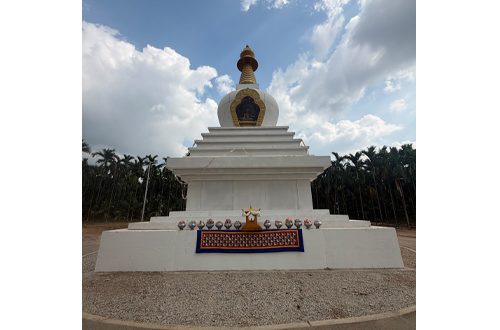
On 1 November 2026, more than 100,000 people are expected to gather in Gelephu Mindfulness City for Project 108, an unprecedented initiative to raise 108 Jangchub Chortens in a single day. Bhutanese from across the country, members of our diaspora and international participants will unite in an expression of faith, devotion, service and shared humanity.
But what if Project 108’s greatest achievement is not only the 108 chortens we raise, but also the creativity, confidence and collective spirit we awaken within ourselves? What if this historic occasion becomes the beginning of a new national habit of imagining and achieving the extraordinary? That could be its most transformative legacy.
Beyond Celebration, Towards Transformation
In my recent article, Beyond Celebration: Can Bhutan Turn Mindfulness into National Creativity?, I reflected on how the Royal Highland Festival, Snowman Race, Project 108 and the legacy of His Majesty the Fourth Druk Gyalpo demonstrate the power of mindfulness and creativity in national development.
My central argument was simple: Bhutan must move beyond celebrating extraordinary achievements towards practising creativity in everyday life. Project 108 offers an opportunity to take this further. If we can mobilise more than 100,000 people around a shared purpose, what else might we accomplish together? Could we revitalise rural communities, create meaningful opportunities for young people, restore degraded ecosystems or improve public service delivery? The possibilities are enormous, but first we must recognise what Project 108 is teaching us.
The Creativity Behind the Sacred
Project 108 is a Royal initiative inspired by His Majesty The King’s vision for Gelephu Mindfulness City. Its spiritual purpose is to create sacred monuments symbolising enlightenment, compassion, wisdom and peace. Yet the undertaking is also an extraordinary demonstration of human creativity.
Raising 108 chortens in a single coordinated day requires imagination, planning, engineering, logistics, resource mobilisation and thousands of people working towards one purpose. It brings together traditional craftsmanship and contemporary organisational capabilities, transforming an overwhelming task into manageable contributions.
Creativity is not confined to art, technology or entrepreneurship. It is our capacity to imagine possibilities and find meaningful ways to realise them. Project 108 embodies that definition.
One Hundred Thousand People, One Shared Purpose
The anticipated participation of more than 100,000 people is itself remarkable. Some will construct, while others will coordinate, provide services, contribute resources or participate through prayer. People beyond Bhutan’s borders will also share in its spiritual purpose. Their contributions will differ, but their aspirations will be united.
We often assume extraordinary achievements require extraordinary individuals. Project 108 demonstrates another possibility: remarkable achievements can emerge when ordinary people contribute their diverse abilities towards a common vision led by a great leader.
A farmer, engineer, monk, military person, entrepreneur, student, homemaker or retired civil servant may each have something valuable to offer. Nobody needs to possess every skill. Collective creativity is not about making everyone the same, but bringing different capabilities together.
Mindfulness Beyond Meditation
Bhutan is internationally recognised for its spiritual heritage and aspiration to become a mindful society. But what does mindfulness mean beyond meditation and personal reflection?
To me, mindfulness begins with noticing our surroundings, recognising opportunities hidden within challenges, understanding the consequences of our actions and becoming aware of what truly matters.
Project 108 takes mindfulness beyond individual awareness into collective responsibility. People are not merely reflecting on compassion; they are expressing it through service, generosity and cooperation.
Mindfulness helps us see what matters. Compassion inspires us to respond. Creativity helps us discover how. Together, these qualities turn spiritual values into practical forces for transformation.
This is particularly relevant to Gelephu Mindfulness City. A mindful city must be more than beautiful architecture, advanced infrastructure and economic opportunities. It must be a place where human wellbeing, creativity, compassion and responsibility shape everyday life. Project 108 offers an early expression of that aspiration.
A Global Invitation to Humanity
Project 108 carries significance far beyond Bhutan. At a time when the world faces conflict, division, environmental crises and uncertainty, Bhutan is offering a different image of human possibility. People from different countries and backgrounds are being invited to contribute to a shared undertaking inspired by peace and compassion.
Global cooperation need not always begin with international negotiations or institutional conferences. It can also begin with individuals choosing to contribute towards a meaningful common purpose.
Bhutan’s greatest contribution to humanity may not come from economic size or technological power, but from demonstrating alternative ways of thinking, living and working together. Gross National Happiness offered the world a different understanding of development. Gelephu Mindfulness City seeks to explore a different model of prosperity.
What Happens after 1 November?
Here lies the most important question. On 1 November, people will come together with extraordinary commitment. But what happens on 2 November, when they return to their schools, offices, farms, businesses, monasteries and communities? Will that spirit remain?
Will the confidence gained from accomplishing something extraordinary inspire us to tackle other challenges, or will we return to familiar habits and assumptions about what cannot be done?
Bhutan faces challenges that conventional thinking alone cannot solve. Youth unemployment, outmigration, brain drain, rural depopulation and slow business recovery demand fresh approaches. They require us to question assumptions, connect different perspectives and create practical solutions.
The same collective spirit mobilised for Project 108 could inspire new forms of community problem-solving. Schools could encourage students to improve their communities. Gewogs could bring together farmers, young people and entrepreneurs to address livelihood challenges. Public institutions could invite employees to propose better ways of delivering services, while businesses could collaborate for shared prosperity rather than engage in cutthroat competition.
These possibilities require no monumental construction project. They require a change in mindset.
Creativity 2.0: Everyone Can Contribute
For two years, I have advocated what I call Creativity 2.0-the democratisation of creativity. Its central message is that creativity is not reserved for a gifted few. Every human being has the potential to imagine, improve, solve problems and contribute.
Yet many people grow up believing they are not creative because they associate creativity only with exceptional artists, inventors or geniuses.
Project 108 challenges that misconception. Creativity also lives in the hands of volunteers, the resourcefulness of workers, the ingenuity of organisers and the contributions of ordinary citizens. We do not need everyone to become an inventor. We need everyone to recognise that they can make something better.
A creative nation is not one that produces a few extraordinary individuals. It is one that enables ordinary people to contribute in extraordinary ways.
From 108 Chortens to 108 Possibilities
What if we gave Project 108 a continuing creative legacy? Imagine a national movement encouraging communities and institutions to identify 108 practical opportunities for positive change. Not a ceremonial programme or a competition for recognition, but meaningful solutions emerging from schools, villages, businesses and organisations.
A village could develop a new market for local produce. A school could make learning more accessible to children with disabilities. A community could restore a neglected water source. Young entrepreneurs could transform traditional products into sustainable enterprises, while a public office could simplify an essential service.
Each initiative would begin with mindfulness: recognising a genuine need. It would progress through creativity: imagining a better solution. And it would become reality through collective action.
The number 108 would carry an additional meaning: not only sacred monuments rising in Gelephu, but possibilities emerging across Bhutan. This would not diminish Project 108’s spiritual significance. It would extend its inspiration into everyday life.
The Greatest Monument May Be Within Us
On 1 November, the world will witness an extraordinary expression of faith, unity, determination and visionary leadership. The 108 Jangchub Chortens will stand as enduring symbols of peace, enlightenment and collective devotion.
But perhaps another monument can rise alongside them. Not one made of stone or earth, but one made of confidence, compassion, imagination and the conviction that we can achieve extraordinary things together.
The physical chortens will remind future generations of what Bhutan accomplished on one remarkable day. Our actions after 1 November will determine what Project 108 ultimately achieves for Bhutan and humanity.
The greatest legacy of Project 108 may not be the 108 chortens we raise in one day, but the countless possibilities we awaken for generations to come.
The Creativity Catalyst, author of Creativity, Time to Crown Again: Critical Competency for the 21st Century and Cosmos.