The Bhutanese Leading the way.
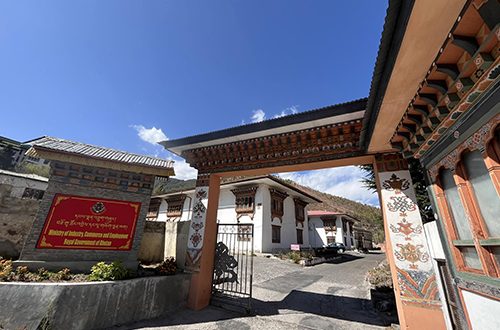
Business licence holders across the country have called for the introduction of a single-window licensing system that would allow multiple business licences to be processed under one roof, saying the current system is time-consuming, costly and inconvenient. The concerns were raised during the consultation meetings on the Business Regulatory Process Review (BRPR), led by the Ministry of Industry, Commerce and Employment (MoICE), with dzongkhags and thromdes.
Participants said business owners are often required to visit several government agencies to obtain different licences and approvals before they can operate or expand their businesses. They said the process involves repeated submission of similar documents, multiple visits to offices and long waiting periods, increasing both administrative and financial burdens. Many licence holders urged the government to establish a single window system where all required licences and clearances could be processed through one office or one integrated platform. They said such a system would make government services more accessible, improve efficiency and reduce unnecessary delays.
Business owners also said simplifying the licensing process would encourage entrepreneurship, support existing businesses and improve the overall ease of doing business in the country. They added that reducing regulatory hurdles would allow entrepreneurs to spend more time developing their businesses instead of navigating lengthy administrative procedures.
The recommendation was among several issues raised during the BRPR consultation meetings, which are being conducted to identify challenges in the existing regulatory framework and gather feedback from businesses and local governments. The review aims to streamline business regulations, reduce compliance burdens and create a more business-friendly regulatory environment while maintaining necessary standards and public safeguards.
One automobile workshop owner from Paro shared that the current licensing system requires separate business licences for services that are part of a single workshop operation. He explained that workshop owners must obtain individual licences to sell lubricants, spare parts, tyres and provide vehicle washing services, despite all of these activities being carried out within the same business premises. He said the requirement increases administrative work, licensing costs and the time needed to comply with regulatory procedures. The workshop owner urged the government to consider allowing related automobile services to operate under a single business licence, saying it would make compliance easier for businesses while improving the efficiency of service delivery.
Many hoteliers from different dzongkhags also raised concerns over the existing business licensing system during the consultation meetings. They said hotels often provide a range of services, including accommodation, restaurants, bars, cafés, laundry services and wellness facilities, yet operators are required to obtain separate licences or approvals for several of these activities. They said the process involves additional paperwork, higher compliance costs and frequent visits to different offices. The hoteliers urged the government to simplify the licensing system by allowing related services operating within the same hotel to be covered under a single business licence, saying it would reduce administrative burdens and create a more business friendly environment while maintaining regulatory standards.
Director General of the Department of Industry under MoICE, Chhime Tshering, said the concerns raised by business operators regarding multiple licences for related business activities have been noted during the consultation meetings. He said the department recognises the challenges faced by businesses and will assess the issues as part of the BRPR. He added that the review seeks to simplify regulatory processes, reduce unnecessary compliance requirements and recommend practical reforms that improve the ease of doing business while ensuring that essential regulatory standards are maintained.