The Bhutanese Leading the way.
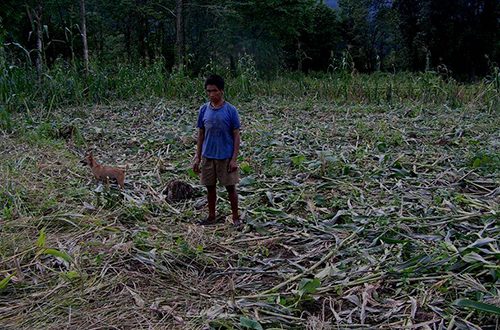
The Ministry of Energy and Natural Resources (MoENR) is currently developing a national relief and compensation framework to address human-wildlife conflict. This came during the Meet-the-Press session held on 5th June 2026.
This initiative follows the requirements of Section 119 of the Forest and Nature Conservation Act of 2023. The law mandates that the government establish measures to compensate for loss of life and permanent disability.
It also requires compensation for damage caused by wildlife to property, crops, and livestock.
Following the new 2023 Act, the responsibility for managing these conflicts is shared between two ministries. The Ministry of Agriculture and Livestock and the MoENR now work together on these issues.
The Department of Forests and Park Services (DoFPS) has already assisted in creating insurance schemes for crops and livestock.
Karma Tenzin, Director of DoFPS said, “Under the new framework, the Ministry of Energy and Natural Resources will specifically focus on compensation for death, permanent disability, and severe injuries.”
The ministry is considering the sustainability of financial resources and the socioeconomic context of local communities. Officials recognise the urgent need for a dedicated national relief fund supported by the State.
This fund must be institutionalized through legal processes with very clear eligibility criteria. To ensure the best results, the DoFPS is reviewing how neighboring countries handle compensation. This research helps identify the best practices and lessons learned from regional experiences.
“The ministry also recognizes the need for a dedicated national relief fund supported by the State and institutionalized through appropriate legal processes and clear eligibility criteria,” said the Director of DoFPS.
One major objective is to ensure the funding remains sustainable through adequate budget allocations. The framework will establish assessment mechanisms that are fair and rapid.
Compensation must also be balanced because different dzongkhags face different levels of threats from wildlife.
The DoFPS is studying several innovative ways to finance this relief fund.
One idea involves using a portion of the funds from conservation and development projects. Another potential source of revenue is the money generated from wildlife fines and penalties.
The state may also provide direct budgetary support to ensure the fund remains stable. Many neighboring countries rely on government-funded schemes, which may serve as a model for Bhutan.
Director Karma said “By institutionalizing compensation and relief measures, the one-time compensation will provide social protection for affected individuals while strengthening public support for wildlife conservation and long-term human-wildlife coexistence.”
The successful rollout of this mechanism depends on the support of other government agencies.
The government must first review and agree upon the funding methods and the implementation plan. The MoENR can only operationalize the framework once these official approvals are secured.