The Bhutanese Leading the way.
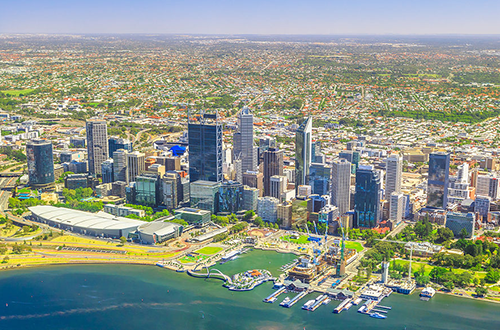
A total of 2,293 Bhutanese has availed themselves of the Permanent Resident (PR) visa status in Australia as of June 2023 starting from July 2011.
In a reflection of the Australia Rush over the last few years, there have been more PR visas obtained in the two financial years of 2021-22 (446) and 2022-23 (772) coming to a total of 1,218 PR visas than in the last 10 financial years from 2011-12 to 2020-21 with a total of 1,075 PR visas then (figures updated by Australian Home Affairs Department). The grand total for 12 years is 2,293.
The Home Affairs Department is yet to update the information of the 2023-2024 and 2024-2025 financial years. Given the trends, once these 17 months are taken into account, there may be more than 3,000 Bhutanese with PR visas in Australia right now.
An Australian permanent resident can remain in Australia indefinitely, work and study in Australia, enroll in Australia’s national health scheme, Medicare, apply for bank loans to buy property, sponsor eligible relatives for permanent residence, apply for Australian citizenship, if eligible, travel to and from Australia for as long as your travel facility permits, attend free English language classes provided and also work in New Zealand. A PR can also qualify for other government benefits and services.
However, unlike citizens, an Australian PR does not get an Australian passport, cannot vote in Australian Government elections, access student loans, join the Australian Defense Force, obtain ongoing work in the Australian Government and return to Australia from overseas without a valid travel facility as automatic right of entry to Australia is not guaranteed.
A permanent resident can stay outside Australia for up to 5 years from the date their travel facility was granted. After this period, they need to apply for a Resident Return Visa (RRV) to re-enter Australia as a permanent resident.
The two main categories of PR recipients are those who got it while in Australia called ‘Onshore Program Outcome’, and another who come in are called the ‘Settler Arrival’ which is PR granted to an already skilled Bhutanese (and their immediate family), like doctors, engineers, IT or others skills prized by Australia, even before coming to Australia.
For the two financial years of 2021-22 and 2022-23 there were 259 such ‘Settler Arrivals’ category meaning they were already of PR status even before coming to Australia. This category of people does not need a student visa to justify their stay in Australia, but are people who can start working right away.
The number of settler arrivals in these two financial years is more than that of the last 10 years, showing the accelerated loss of skilled Bhutanese from Bhutan.
959 Bhutanese have got PRs while in Australia ‘Onshore Program Outcome’ for the two financial years of 2021-22 and 2022-23.
When both the Settler and Onshore programs numbers are combined, most Bhutanese getting the PR are through the skilled stream while a smaller number are through the family or children category of those who have PR.
Among those who got the skilled PR, the categories are those sponsored by employees, skilled independently, sponsored by state or territories in Australia and regional ones which are areas outside major cities in Australia.
In 2021-22 and 2022-23 of those who got PR in the skilled category, 53 were sponsored by their employees, 97 were skilled individuals qualified through their skills, 424 were nominated by the respective states and territories in Australia, 543 were those who agreed to work and stay in Regional areas or areas outside the big cities like Sydney, Melbourne, etc.
21 Bhutanese in these two years were given PR visas after being recognized as ‘Global Talent’ by the Australian government which means people who have an internationally recognized record of exceptional and outstanding achievement in an eligible field.
A trend in the above data of two years compared to the past 10 years shows a reduction in people sponsored by their employees and skilled individuals qualified through their skills, and a huge increase in those who agreed to work and stay in regional areas or areas outside the big cities to get PR.
This means that since large numbers have gone from Bhutan, not all have the high skills that Australia needs, but they have some skill and have essentially agreed to populate or stay in the more remote regions of Australia for PR.
The PR data throws light on an important question on whether Bhutanese going to Australia to study and work will come back or settle down there, and also the level of skilled people being lost.
It is clear from the above that those who can are applying for PR to settle there, and while there are those relying on high skills to get PR there are also less skilled ones willing to stay in more remote areas.