The Bhutanese Leading the way.
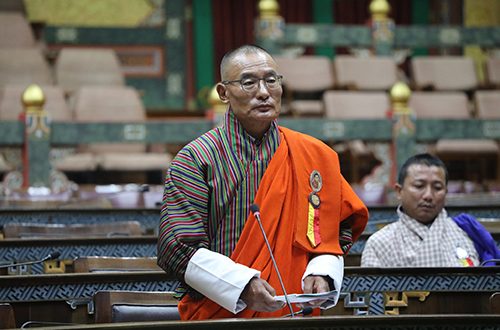
Kengkhar-Weringla MP Dorji Wangmo, during the question-and-answer session of the 6th sitting of Parliament, raised concerns over Bhutan’s declining birth rate and its wider demographic implications.
The MP also highlighted that the Government’s proposed Third Child Incentive Programme of Nu 10,000 per month has reportedly been put on hold, pending a comprehensive demographic study.
Responding to the concerns, the Prime Minister said Bhutan’s total fertility rate has fallen to 1.4 from 6.4 children per woman in 1982, which the PM described as “very concerning.”
The PM said demographic trends in both developed and developing countries show a clear shift from larger families to smaller ones as countries develop. “At one time, governments were worried about overpopulation, but now the concern is the opposite,” he said.
Moreover, noted that a fertility rate of 1.4 is “very risky,” particularly when combined with rising youth migration and changing family structures, rather than issues related to family planning alone.
“We have done research and studies and were planning what more alternatives we can bring out,” the Prime Minister said, adding that the government is working on policy responses to address the issue.
The Prime Minister informed the House that the Government is implementing and planning several support measures, including free education and healthcare services, crèche facilities, and Early Childhood Care and Development centres. He also reported that relevant agencies are reviewing long-term strategies to address demographic challenges and ageing populations.
The Prime Minister reported that the government expects to roll out the Third Child Incentive Programme in June this year. He said that, in addition to the incentive programme, the government will also introduce various supporting measures and initiatives.