The Bhutanese Leading the way.
Bhutan is choosing a unique path for its transport sector. Many neighboring Indian states now use Compressed Natural Gas (CNG) to lower costs and emissions. However, the government has not actively explored this option.
During the 29th Meet-the-Press session, Lyonpo Gem Tshering, the Minister of Energy and Natural Resources, recently explained this strategic decision.
Lyonpo Gem noted that Bhutan lacks domestic natural gas resources. This means the country would be entirely dependent on imports for its supply. Establishing a CNG ecosystem requires massive investments. The government would need to build new import infrastructure and storage facilities. New refueling stations and vehicle conversions would also be necessary.
“The economic viability of such investments remains uncertain,” Lyonpo stated. He pointed to Bhutan’s small vehicle market and dispersed population as key barriers. Instead of CNG, the ministry is focusing on domestic renewable energy.
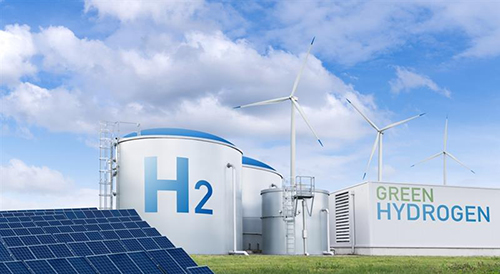
The government is now actively pursuing the development of green hydrogen. This fuel can be produced within Bhutan using abundant hydropower resources. “Green hydrogen offers a truly clean energy pathway,” Lyonpo Gem Tshering explained. It can be used in transportation, industry, and power generation.
Unlike CNG, green hydrogen enhances national energy security. It supports the country’s strict climate and sustainability goals. The government is also looking at Sustainable Aviation Fuel made from municipal solid waste. This initiative aims to promote a circular economy.
Hydrogen technologies are still evolving and have higher upfront costs. However, the government views them as the fuels of the future.
Bhutan remains committed to a green and resilient economy. The strategic focus is now firmly on zero-emission energy carriers.