The Bhutanese Leading the way.
The Royal Center for Disease Control (RCDC) has released its Quarterly Bulletin for the second and third quarters of 2025 which is from April to September 2025 providing updated health information from centers across 20 dzongkhags.
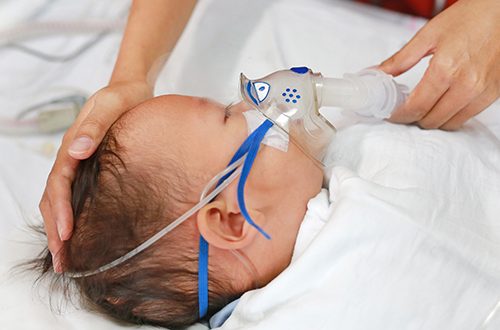
According to the bulletin, respiratory illnesses were the most commonly reported cases during this period, highlighting ongoing public health concerns.
In the third quarter, a total of 3,640 weekly reports were expected from 280 health centers across the country. Overall, 87 percent of these reports were received in the National Early Warning Surveillance (NEWARS) system. Of the reports received, 78 percent were submitted on time, 9 percent were reported late, and the remaining reports were not submitted.
For the second quarter, 85 percent of the expected reports were received in the NEWARS system. Similar to the third quarter, 9 percent of these were reported late, while the rest were not submitted.
Among the 11 weekly reportable diseases and syndromes, respiratory illnesses accounted for the highest number of cases, with 26,667 reported in the third quarter, representing 78 percent of all cases. This shows an increase from 25,605 cases reported in the second quarter.
The majority of these respiratory illnesses in the third quarter were cases of Acute Respiratory Infection (ARI), accounting for 99 percent of the total. The remaining cases were Severe Acute Respiratory Infection (SARI).
According to the report, the most commonly affected age group by respiratory illness was observed in the younger age group.
In the second quarter, most respiratory illness cases were reported from Thimphu, Chukha and Sarpang. However, in the third quarter, additional dzongkhags, Samtse and Wangdue Phodrang, also reported a significant number of cases alongside Thimphu and Chukha.
ARI is a common respiratory illness that affects the upper and lower respiratory tracts, often presenting with symptoms such as cough, fever, sore throat, and difficulty breathing. While most ARI cases are mild and can be managed at home or at primary health centres, they can sometimes progress to SARI.
SARI is a more serious condition that typically requires immediate medical attention, as it can lead to complications such as pneumonia, respiratory failure, or even death if not treated promptly. Patients with SARI are usually admitted to hospitals for close monitoring, oxygen therapy, and other supportive treatments.
Health experts emphasize that early detection and timely reporting are crucial to prevent ARI from escalating into SARI.
Respiratory illnesses, such as ARI, are mainly spread through airborne droplets. When an infected person coughs, sneezes, or even talks, tiny droplets carrying viruses or bacteria are released into the air, which can then be inhaled by others nearby.
Close contact, such as shaking hands, hugging, or touching contaminated surfaces, can also transfer the infection. Children in schools, crowded households, and public spaces are particularly vulnerable, as are individuals with weaker immunity, including the elderly and those with existing health conditions. This partly explains why dzongkhags like Thimphu, Chukha, Sarpang, Samtse, and Wangdue Phodrang reported the highest number of respiratory illness cases.
Following respiratory illnesses, diarrheal diseases were the second most reported condition in the third quarter, with 6,016 cases accounting for 18 percent of all reported illnesses. This shows an increase from 5,138 cases reported in the second quarter.
A concerning 90 percent of these cases were observed in children aged between 0 and 4 years, highlighting the vulnerability of young children to diarrheal diseases. The majority of these cases were reported from Thimphu, Chukha, Sarpang, and Trashigang.
Health authorities emphasize the importance of proper hygiene practices, safe drinking water, and timely medical care to prevent diarrheal diseases, especially among young children. Early detection and management are critical to reducing the risk of severe dehydration and other complications.
Diarrheal diseases, on the other hand, are typically caused by ingesting germs from contaminated food or water. Drinking untreated water from rivers, wells, or taps contaminated with bacteria, viruses, or parasites can lead to infection.
Poor hygiene practices, such as not washing hands after using the toilet or before handling food, increase the risk, especially among young children. Contaminated food prepared with unclean water or utensils, as well as exposure to flood-affected or unhygienic environments, can also trigger diarrheal outbreaks. These factors contributed to the higher number of cases in Thimphu, Chukha, Sarpang, and Trashigang, where young children were most affected.
In both cases, early detection, proper hygiene, and safe food and water practices are crucial to prevent the spread of these illnesses.
The updates aim to inform health authorities and the public about prevailing trends and help in planning effective responses. The quarterly bulletin is part of RCDC’s continuous efforts to monitor disease patterns and ensure timely interventions across the country’s healthcare system.