The Bhutanese Leading the way.
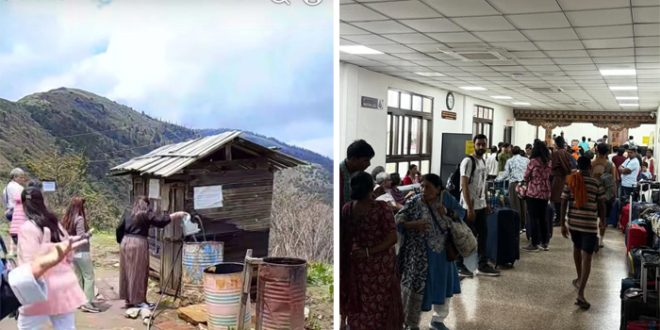
As the summer season approaches, Bhutan is witnessing a surge in Indian tourist arrivals. While the increase is boosting the tourism sector, guides across the country say inadequate public facilities and logistical challenges are affecting visitors’ experiences.
A 42-year-old tour guide, Tshering, said the lack of clean and accessible washroom facilities along major routes remains one of the biggest complaints from tourists.
According to her, tourists travelling from Phuentsholing usually make their first stop at Wangkha in Chhukha to use washrooms, as there are few public toilet facilities beyond that point.
She added that although several restaurants are located along the highway, some establishments are reluctant to allow large groups of tourists to use their toilets.
Guides also pointed to difficulties at Chhuzom, where the public washroom is reportedly locked by around 4:30 pm to 5 pm.
“Sometimes there are delays on the road and by the time we reach there, the toilets are already locked,” Tshering said.
Travelling towards Haa presents similar challenges. Guides said they often stop at restaurants under the pretext of a “tea break” so tourists can use available washrooms before continuing the journey.
“This is especially difficult for female travellers because there are times when we have to ask them to use the bushes,” she said.
Guides also raised concerns about conditions at Chelela Pass, one of the country’s major tourist destinations. According to Tshering, the area lacks proper toilet facilities and sufficient parking space.
She said traffic congestion becomes severe during peak hours as vehicles from both Haa and Paro accumulate at the narrow pass.
“Sometimes more than 30 to 40 vehicles gather there at once, blocking the road and forcing cars to reverse downhill,” she said.
Tourists are often directed to a small restaurant further down the road where a paid toilet facility is available. However, guides say the washroom is poorly maintained and long queues are common.
Major tourist destinations such as Phobjikha and Yotongla Pass also face similar shortages of proper sanitation facilities, according to guides.
There are also parking issues including at tourism sites in Punakha.
Another veteran guide, aged 48, said the influx of Indian tourists during India’s summer vacation period has also exposed bottlenecks in permit processing at the Phuentsholing pedestrian terminal.
He said tourists, workers, Bhutanese citizens and shoppers all queue together for immigration processing, leading to long waiting times.
“Guests arrive as early as 6:40 in the morning and are still waiting until after 1 pm for permits to be processed,” he said.
According to guides, the delays often consume almost an entire travel day, affecting itineraries and creating frustration among visitors.
Similar concerns were raised about crowd management at Buddha Point (Dordenma), especially during major events. Guides said visitors are often forced to park vehicles far from the site and walk uphill before waiting in long queues for permits or tickets.
“This leads to half the day being wasted for tourists,” the guide said.
Guides said such issues are undermining Bhutan’s “high-value, low-volume” tourism policy, with some tourists expressing disappointment over basic infrastructure and services.
They called for stronger coordination between immigration authorities and the tourism sector, including improved planning, additional manpower and better public facilities along major tourist routes.
The guides also urged authorities to address what they described as “ground realities” faced by tourists and tourism workers, rather than relying solely on policy announcements.