The Bhutanese Leading the way.
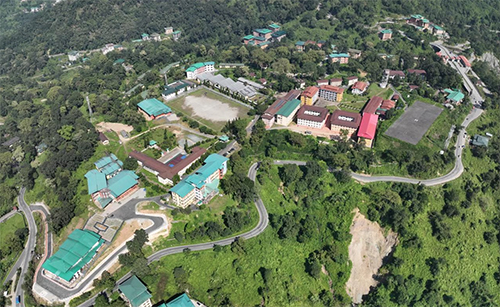
For the first time, students pursuing Bachelor of Engineering degrees in Software Engineering, Mechanical Engineering, and Water Resources Engineering at the College of Science and Technology (CST) will graduate in 2027.
The inaugural batch will include 23 graduates in Bachelor of Engineering in Software Engineering, 15 graduates in Mechanical Engineering, and 15 graduates in Water Resources Engineering.
The upcoming graduates are expected to enter the workforce with specialized technical skills aligned with both national development priorities and global industry demands.
The Bachelor of Engineering in Software Engineering program is designed to equip students with strong technical foundations, problem-solving abilities, and practical experience, according to the CST.
The CST said, “It emphasizes the development of critical thinking abilities through capstone projects and internships, encouraging students to address real-world challenges whilst considering broader socioeconomic factors.”
Graduates from the program are expected to be able to design, develop, and manage software systems, while applying modern approaches in artificial intelligence, DevSecOps, and software security.
According to the college, students also gain exposure to emerging technologies such as cloud computing, cybersecurity, and AI-driven systems, preparing them for roles such as software engineers, full-stack developers, machine learning engineers, DevSecOps engineers, and cloud computing engineers.
The college also pointed out that growing digital transformation, remote work opportunities, and global outsourcing trends will allow graduates to engage with international companies and clients, expanding their career prospects beyond national boundaries.
As for the Bachelor of Engineering in Mechanical Engineering program, the college said it is designed to produce graduates with strong theoretical knowledge, practical experience, and problem-solving abilities required in modern engineering industries.
The program provides training in mechanical design, manufacturing processes, energy systems, materials, and industrial management, supported by laboratory work, projects, and industrial exposure.
Through this, students are expected to develop technical competence, teamwork, and innovation skills required for professional engineering practice.
The college said, “Upon completion of the program, graduates will have numerous career opportunities within the country.”
“They can work in manufacturing industries as production engineers, production process managers, and quality control engineers, contributing to product development and efficient production systems,” the college added.
According to the college, graduates will also be able to work in hydropower projects and the power and energy sector, including roles in project management, operation, maintenance, and optimisation of energy systems.
Other opportunities include mining and construction industries, agro-based and cement industries, as well as machinery design, safety assurance, and production supervision roles.
The college further noted that graduates can also work in the aviation and communication sectors, particularly in technical maintenance and operations, as well as in consultancy and engineering design services.
The Bachelor of Engineering in Water Resources Engineering program is designed to develop highly capable graduates competent in the effective and sustainable management of water resources.
According to the college, the program provides a strong foundation in engineering principles combined with practical skills in the planning, design, and implementation of water systems, while integrating both established practices and emerging technologies.
The college said, “Graduates will be prepared to address real-world challenges across a wide range of areas, including water supply, irrigation, flood control, hydropower, drainage systems, and wastewater management.”
Graduates are expected to contribute to key infrastructure and environmental projects, such as hydropower development, watershed management, and climate-resilient systems, supporting sustainable development and natural resource protection.
The program opens career pathways as water resources engineers, hydraulic engineers, hydrologists, environmental consultants, GIS specialists, and project managers.
According to the CST, graduates can find employment in government agencies, consulting firms, environmental organisations, and major infrastructure companies. With increasing pressures from water scarcity and climate change, demand for professionals in this field continues to grow both nationally and globally.
The college added that with skills in hydraulic and hydrological modelling, GIS, environmental assessment, and project management, graduates can progress into senior technical and leadership roles, pursue higher studies, or work as independent consultants with experience.
CST said it is set to produce graduates equipped with specialized technical knowledge and practical skills aimed at addressing Bhutan’s growing infrastructure, digital, and environmental challenges.