The Bhutanese Leading the way.
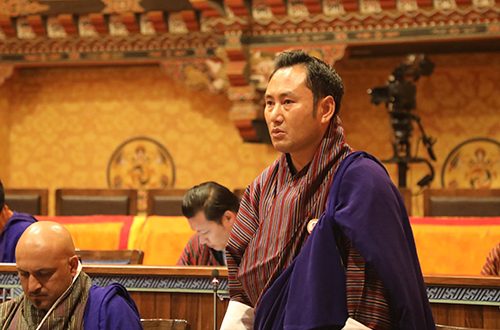
Various Members of Parliament (MPs) raised concerns over high legal fees charged by lawyers and Jabmis, and how it makes equitable justice inaccessible to the financially modest people of the country.
This came during the introduction and deliberation of the Jabmi (Amendment) Bill of Bhutan which was tabled during the 16th Sitting of the National Council.
Wangdue Phodrang MP Phub Dorji began by sharing a general opinion on the issue saying, “There is a problem of how a huge part of the population are deprived of access to justice as they aren’t able to bear the high fees, leading to bad service quality.”
“Those who lack knowledge on law are also subject to bad quality of services,” he added.
The MP of Lhuentse, Kelzang Lhundup acknowledged the same problem saying that high legal fees make it inaccessible for the vulnerable population to seek justice. Moreover, he asked the Legislative Committee if there can be structural guardrails to make it accessible for the wider population.
“A structured framework developed by the committee, which includes fee charges and case-by-case elements could help lots of people,” he said.
Additionally, he said that there is a “geographical inequality” as Jabmi Tshogdes are only seen in a handful of dzongkhags such as Thimphu, Phuentsholing and Paro, while in other dzongkhags, they are non-existent.
The Gasa MP, Tshering shared that there are often predatory attempts being conducted by Jabmis on vulnerable people when they sign agreements (Genja), especially when it is signed between themselves.
“While signing a Genja is important to seal an agreement, there should be regulatory rules where they are physically present and sign at the Tshogde to ensure that there are no predatory practices,” he said.
The MP of Trashigang, Sonam Tobgyel also opined that a framework could help those who are financially struggling.
Additionally, he shared a critical point of the criteria for Jabmis where they must now hold a degree in law and must pass the bar examination. This, he says, may affect equity.
“There are numerous clerks who have worked for years and know Bhutanese law from the inside-out and would be more than qualified to be a Jabmi but the qualification restricts them and this may affect fairness,” he said.
The committee answered that such a framework for fees could affect Jabmis and practitioners as it may discourage practice. Moreover, it answered that the bill wasn’t specifically about legal aid to begin with. It was more about the regulation of Jabmis.
The committee has proposed provisions for enhancing pro bono and legal aid services to cater to the vulnerable population.
Other MPs also raised significant concerns regarding licensing, eligibility criteria, pro bono work, and the Tshogde members’ tenure.
Brief background of the Bill Amendment
The Amendment of the Jabmi Bill of Bhutan 2026 seeks to strengthen the legal system and enhance the independence and capacity of the Jabmi Tshogde to support the nation’s growing economic, social and legal landscape as it is an integral part of democracy.
The Bill is oriented with national developmental and economic priorities, and aims to strengthen the legal system with a strong regulatory body, essential for handling complex legal services for disputes and trade, including foreign investments to streamline effectively with the prospects of the Diamond Strategy.
Chairperson of the Legislative Committee, Eminent Member Tashi Chhozom, said, “The amendments are aligned with and will seek to contribute to the Diamond Strategy, along with the economic and legal aspects for the development of the Gelephu Mindfulness City.”
However Eminent Member Tashi Chhozom said that the Jabmi Tshogde currently is facing harsh financial and human resource shortages, including remuneration for its leadership as the government does not support them financially.
Therefore, there is a huge risk on sustainability and it affects long-term decision making for the Tshogde.
The Bill will seek to strengthen professional standards via proper certification processes, legal training and education, and monitoring legal conduct and activities. She said, “It will be important for improving Bhutan’s legal system and long-term strategies.”