The Bhutanese Leading the way.
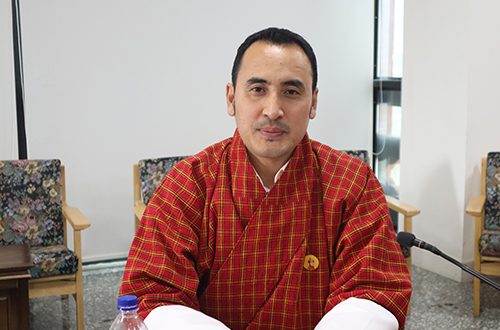
The Cabinet has approved a 4 percent Economic Stimulus Program (ESP) subsidy for hotels for a one-year period, but implementation has taken longer than expected as multiple agencies work to finalize the framework.
The Ministry of Industry, Commerce and Employment (MoICE), Ministry of Finance (MoF), and Royal Monetary Authority (RMA) have been tasked with jointly designing the rollout to ensure it is inclusive. Particular attention is being given to operational and viable hotels that may not fully meet eligibility criteria, so they are not left unsupported, said MoICE Minister Lyonpo Namgyal Dorji.
Alongside the subsidy, the government is exploring complementary measures under a newly formed Hotel Business Rehabilitation Program to assist hotels facing financial distress. The program aims to revive properties with non-performing loans or struggling businesses through voluntary and contractual arrangements, as Bhutan currently lacks an insolvency law that would provide a legally enforceable framework.
Under the rehabilitation program, hotels considered viable but underperforming could be supported through initiatives such as converting hotel rooms into long-stay serviced apartments or co-living spaces for digital nomads, re-zoning properties to allow office spaces, clinics, or educational centres with concessions on fees, or appointing specialized hospitality management firms to oversee operations. The government is also considering allowing new investors to inject capital in exchange for equity, which could be used to pay down high-cost debt and reactivate the business.
Hotels will be assessed for economic viability after interest subsidies, willingness of owners to improve performance, acceptance of the rehabilitation measures, and cooperation from financial institutions. The process includes independent financial reviews, standstill agreements to pause legal recovery actions, adoption of restructuring measures agreed with lenders, and monthly monitoring through a creditors’ committee.
Prime Minister Dasho Tshering Tobgay said the government opted for a targeted strategy rather than providing the subsidy to all hotels.
“Hotels that are already profitable should not receive the subsidy,” PM said, while noting that owners who have invested heavily to maintain operations should not be penalized. Lyonchhen added that some hotels were struggling even before the pandemic, and in such cases, a financial subsidy alone may not be effective.
“For hotels facing bankruptcy, other forms of intervention through the rehabilitation program could provide more meaningful and sustainable support,” PM said.
The framework is now in its final stages, and once fully aligned, implementation will begin. Additional details on possible measures are expected following a meeting coordinated by the Corporate Regulatory Authority.
The number of hotels have boomed in the post pandemic period of low tourist numbers as many properties were completed.
Bank’s may give an additional 1% interest discount if the government gives the ESP.