The Bhutanese Leading the way.
Plans implementation in schools from next academic year
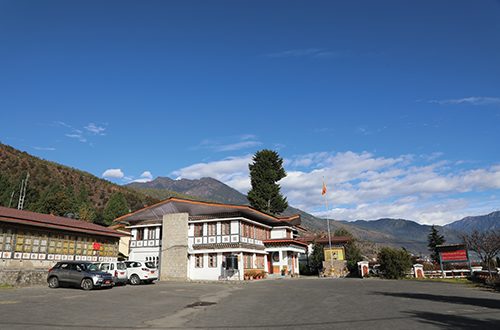
The Ministry of Education and Skills Development (MoESD) has completed aligning Bhutan’s National Education curriculum with the internationally recognized Cambridge curriculum.
In a conversation with The Bhutanese, an official clarified that this process does not mean a full adoption or replacement of Bhutan’s curriculum, but rather a careful alignment to enhance and modernize the existing framework.
“People thought that we are implementing and replacing our national curriculum, which is not true,” the official said.
This distinction is important as many members of the public expected the new curriculum to have been rolled out in schools starting July this year. With August underway and the academic year progressing, expectations were high for immediate changes in classrooms.
However, MoESD has emphasized that the alignment phase was focused on integrating the Cambridge framework with Bhutan’s curriculum and that the actual implementation will begin with the next academic year, starting in 2026.
A school principal in Thimphu supports the official’s statement, pointing out the impracticality of launching such a significant change mid-year. “Starting the Cambridge-aligned curriculum immediately would disrupt the academic flow in schools. It’s better to start fresh from next year when everything can be planned and structured properly,” he said.
Moreover, this approach allows teachers and schools the time needed to prepare, helping ensure a smooth transition for students.
Currently, Bhutanese schools predominantly follow the national curriculum developed by MoESD, which emphasizes complete growth by blending academic learning with local culture and values.
Pelkhil School is the only school to officially offer the Cambridge International curriculum at present officially.
Specialized institutions, such as the Wangsel Institute for the Deaf, adapt the general national curriculum to cater to their students’ specific needs. Sonam Choden, the Inclusive Education Coordinator at Wangsel, said, “We follow the general curriculum but with minimized content to suit the needs of our students.”
A teacher at Punakha Central School explained that although they follow the national curriculum, they have made deliberate efforts to make teaching more student-centric. This shift involves modifying lessons to individual learners’ needs, encouraging participation, and promoting critical thinking, moving beyond traditional learning everything through memorization.
Aligning Bhutan’s curriculum with Cambridge’s internationally recognized framework represents more than just content updates. It marks a fundamental change in Bhutan’s educational approach, a shift from rote memorization towards promoting creativity, analytical thinking, and problem-solving skills essential for success in the 21st century.
Through alignment, MoESD aims to maintain the country’s cultural identity while adopting teaching methodologies that cultivate critical thinking and prepare students for future challenges.
The ministry said that this alignment will be implemented uniformly across all schools, ensuring equitable quality of education nationwide.
The most significant curriculum revisions will occur in Grades IX to XII, aligning these years more closely with international standards. However, foundational adjustments in lower grades will also be made to strengthen learning and ensure smooth academic progression.
MoESD highlighted four essential changes that the alignment will bring.
First, the curriculum will undergo a comprehensive enhancement to move beyond memorization. Instead, it will focus on developing students’ critical thinking, creativity, and problem-solving skills, encouraging them to engage more deeply with learning and apply knowledge in real-world contexts.
Second, the assessment and grading system will be reformed. Currently, students are often tested on their ability to recall information, but Cambridge assessments emphasize understanding and practical application of knowledge. This change will provide students with qualifications recognized globally, offering significant advantages for those pursuing higher education or careers abroad.
Third, teacher capacity development will be a priority as MoESD will collaborate with Cambridge International to offer workshops, seminars, and online resources to equip educators with the skills needed to effectively deliver the revised curriculum. This professional development is critical, as previous teacher training in Bhutan has not fully incorporated international best practices, sometimes limiting teaching effectiveness.
The fourth key change is working toward international accreditation for the schools as such accreditation would validate Bhutanese students to high educational standards, enhancing the credibility of its qualifications and expanding opportunities for students worldwide.
This alignment is important in the country’s education system as it balances the need to preserve the country’s cultural values with the imperative to meet global standards that prepare students for a rapidly changing world.