The Bhutanese Leading the way.
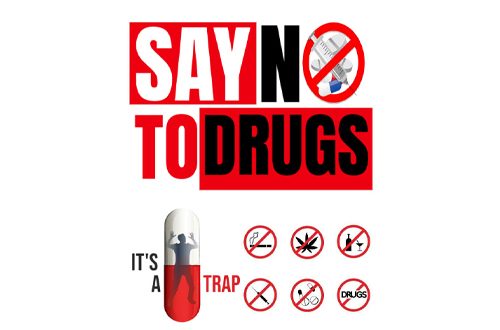
The Ministry of Education and Skills Development (MoESD) is strengthening its response to substance use among young people through a multi-layered approach that focuses on care, early intervention, and community support.
The initiative is being implemented alongside existing recovery and rehabilitation efforts, including support systems such as the Yarabling Recovery School, which works with students requiring structured rehabilitation and reintegration support.
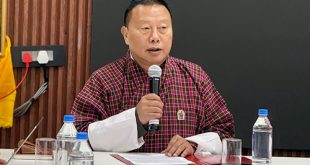
Lyonpo Yeezang De Thapa said the MoESD recognizes the deeper human impact behind substance use cases.
“The ministry understands that behind every statistic on substance use is a real human story, a child, a parent, and an entire community affected,” the Education Minister said.
Lyonpo added that to address this, the MoESD is rolling out what it calls a “Circle of Care” strategy aimed at building a drug-free society through multiple layers of support rather than relying solely on disciplinary action.
“This approach moves beyond conventional disciplinary measures and focuses instead on compassion, early intervention, and meaningful human connection through three key initiatives,” Lyonpo said.
At the school level, the MoESD has developed and implemented a comprehensive School Health and Wellbeing Strategy comprising eight wellbeing programs.
Among them, the Mentor-Mentee Program plays a central role by fostering a supportive relationship between teachers and students.
“This program helps build a culture of care within schools, where mentors guide students closely, helping them feel valued, supported, and less inclined to turn to substance use as an escape,” Lyonpo said, adding that mentors are encouraged to take on a parental role by becoming trusted figures within the school system.
At the family level, the MoESD has introduced the Helping Adolescents Thrive (HAT) program in collaboration with UNICEF. The initiative equips parents with practical skills to communicate better with their children and address sensitive issues early.
“HAT is designed to strengthen families by helping parents listen better, communicate openly, and confidently engage with their adolescents,” Lyonpo said, noting that the program is currently being implemented in 168 schools identified as higher-risk.
In addition, the MoESD is working closely with the Royal Bhutan Police (RBP) alongside school counsellors to provide awareness sessions on the effects and legal consequences of drug use. Through this collaboration, RBP is also positioned as a community partner in prevention efforts.
“Through these integrated initiatives, we are building an ecosystem that supports a drug-free future. Our progress is guided not by fear, but by empowerment, meaningful engagement, and the strength of human relationships,” Lyonpo Yeezang said.