The Bhutanese Leading the way.
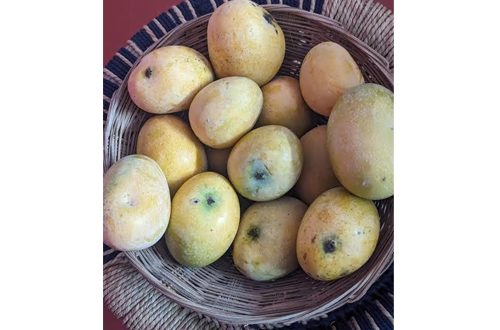
On 13th April, The Bhutanese wrote an article on the crackdown of artificially ripened mangoes in Hyderabad and then immediately reached the Bhutan Food and Drug Authority (BFDA) regarding what safety standards and protocols are being employed by the Authority for checking fruits and vegetables at entry points.
The Authority dismissed the request saying that it was busy with the upcoming Parliament sessions.
The mango season has arrived, and it calls for food safety as risks of chemically ripened mangoes may enter the country in huge quantities.
Recently, there has been multiple crackdowns and reports exposing adulterated mangoes and other fruits such as bananas in India, especially in Assam, as uncovered by the Food Safety Commissionerate of Assam.
The Commissionerate in Assam, in its regular checks, found excessive use of chemical adulterants and additives to accelerate the ripening of fruits, mainly in mangoes, at some of the vegetable and food vendors.
According to them, chemicals such as calcium carbide and colorants were found to be used and some of the suspicious fruits’ samples have been sent for lab testing.
While chemical adulteration is allowed, reports state that some were found to be using them excessively, making it harmful for human consumption.
According to NDTV, India is the world’s largest mango exporter with a production rate of 28 million metric tonnes every year. Recently, Japan banned Indian mangoes, apparently due to “pest-control lapses” as given in media reports.
Soon after, Nepal put a temporary halt to the mangoes being imported. This was due to detecting excessive levels of chemical pesticides and suspected harmful pests in the imported mangoes at border quarantine inspections.
The restriction has been released as Indian authorities issued a plant health certificate, showing biosecurity compliances.
BFDA asserted that it is aware of the cases and it sensitizes the importers on the importance of meeting the safety requirements before the import of fruits or any other food in the country, while issuing the import permit.
Officials say that the analysis of some of the samples is underway.
“BFDA regulates the import of consumer goods including fruits and vegetables to ensure that products are safe and fit for human consumption. Importers of such consumer goods are required to apply for the import permit of fruits and vegetables to ensure that all produce meets the required biosecurity aspects and food safety parameters prior to the entry of consignment in the country,” said an official.
The process of the BFDA is as follows: at the point of entry, the Integrated Check Post and BFDA carry out the inspection and verification of the consignment based on risk-based inspection planning.
An official said that the inspection includes documentation verification, supplier and physical examination of the products such as spoilage, contamination and overall hygienic condition of the consignment.
In addition to the border inspection, BFDA conducts monitoring and inspection within the domestic market.
BFDA said it faces a challenge of not being able to conduct comprehensive inspection and monitoring as Bhutan is a highly import -dependent country with a large volume and variety of food products entering the country through various importers, including unorganized import.
“Thus, ensuring comprehensive inspection and monitoring of every consignment remains a significant challenge. Despite all these, BFDA continues to strengthen the inspection system and remains committed to safeguarding the consumer’s health and safety,” said the official.
At present, specific import control measures are in place for milk and seaweed products. In addition, import controls on rice, fortified rice, and salt came into effect on 1st June 2026.
Furthermore, BFDA has entered into an agreement with the Export Inspection Council (EIC), Government of India, under which EIC applies its quality assurance programmes including consignment-wise inspection, in-process quality control systems, and food safety management system-based certification, as applicable to products exported to Bhutan.
“Currently, high-risk food commodities such as frozen chicken, table fish, processed pork products, and animal feed are subject to mandatory certification under the EIC scheme. The BFDA complements these controls through market surveillance, monitoring, and inspection of other food commodities available in the country.”
The official said that BFDA will continue to strive to strengthen the inspection, surveillance and monitoring system to ensure the public safety related to food, however ensuring food safety is a shared responsibility and cannot be achieved by BFDA alone.