The Bhutanese Leading the way.

In response to the escalating burden of lifestyle-related illnesses in Bhutan, the Ministry of Health organized a virtual conference titled “Food as Medicine”, focusing on the prevention and management of Non-Communicable Diseases (NCDs).
Held via Zoom, the event featured a distinguished lineup of experts in the fields of health, including the keynote speaker, Dr Khader Vali, popularly known as the “Millet Man of India.”
Dr Khader Vali, a food scientist and public health advocate, has devoted his life to promoting millet-based diets as a natural and powerful approach to preventing and reversing chronic diseases.
With a Ph.D. in Steroids from the Indian Institute of Science, and a research background in environmental toxins from the US, he returned to India with a mission: to address the public health crisis emerging from highly processed, chemical-laden modern diets.
Dr Vali has been at the forefront of the movement to revive traditional, unpolished millets, specifically foxtail, little millets, kodo, barnyard, and browntop millet, which he refers to as “positive millets.”
He believes these ancient grains hold therapeutic properties that not only nourish but also help detoxify the body, restore balance, and support natural healing.
Through community talks, health camps, and public education, he has inspired thousands to re-embrace millet-based diets, offering a path to healing grounded in food, nature, and simplicity. In recognition of his work, he was awarded the Padma Shri Award in 2023.
The NCD Crisis in Bhutan
NCDs like, hypertension, diabetes, cardiovascular diseases, chronic respiratory illnesses, and certain cancers, are chronic conditions that cannot be transmitted from person to person. They are often the result of poor lifestyle choices and environmental factors, such as poor diet, lack of exercise, and exposure to pollutants.
Unlike infectious diseases, NCDs develop slowly over time and often go undetected until serious complications arise.
NCDs now account for 70 percent of global deaths. Bhutan has seen a sharp increase in chronic diseases, particularly hypertension and diabetes. Recent national health screenings show that out of 12,000 newly diagnosed individuals, 73.2 percent (8,784) were found to have high blood pressure, 10.5 percent (1,260) were diagnosed with diabetes, and 16.3 percent (1,956) were living with both conditions.
Compared to previous national surveys, these figures represent an alarming increase, particularly for hypertension, which jumped from 30.1 percent to over 73 percent in the latest data.
Millets vs. Refined Grains: Why Food Matters
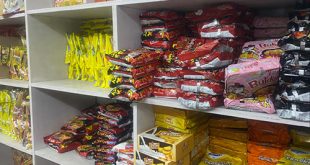
According to Dr Khadar Vali, the rise in NCDs is not incidental; it is linked to modern dietary habits, especially the heavy consumption of refined grains like white rice and wheat flour. These grains, stripped of fiber and nutrients during processing, cause rapid spikes in blood sugar, increase insulin resistance, and contribute to metabolic disorders such as Type 2 Diabetes and obesity.
He said, “Refined grains are absorbed quickly by the body, leading to swift rises in blood sugar levels. This can lead to insulin resistance, a precursor to diabetes.”
Additionally, the lack of fiber and nutrients in refined grains can trigger weight gain and exacerbate conditions like high blood pressure and cholesterol imbalances, both of which are critical risk factors for heart disease.
Millets are whole grains rich in fiber, essential minerals (magnesium, iron, potassium), vitamins, and antioxidants. Their low glycemic index means glucose is released slowly into the bloodstream, helping to maintain stable blood sugar and reduce the risk of insulin spikes.
The fiber also promotes digestion, cholesterol regulation, and weight management, while its natural phytochemicals and anti-inflammatory compounds support cellular health and chronic disease prevention.
Additionally, millets are climate-resilient crops, requiring less water and thriving in dry, arid soils, making them not just a healthy option but a sustainable one in the face of climate change and food insecurity. They can thrive in regions with erratic rainfall, making them an ideal crop for regions like Bhutan, where agriculture faces unpredictable weather patterns.
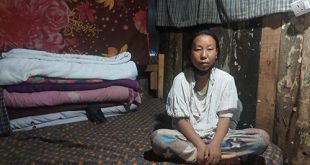
The conference also featured personal evidence of healing through food. The founder of Chuniding Food, Kesang Choedon, shared a deeply personal experience about how millets transformed her father’s health. Once unable to walk or stand due to age-related complications and chronic illness, her father saw dramatic improvement after switching to a millet-based diet.
Inspired by Dr Vali’s philosophy, she gradually eliminated processed and refined foods from her father’s meals, focusing instead on natural, locally grown millets.
Regular health checkups are vital in identifying diseases like hypertension and Type 2 Diabetes early, before they progress to more severe stages. Bhutan’s recent nationwide screening revealed that 12,000 individuals living with hypertension or high blood sugar were unaware of their condition, reinforcing the critical role of routine medical checkups in prevention and management.
In addition to diet, physical activity plays a pivotal role in the prevention and management of NCDs. A sedentary lifestyle, especially when paired with poor eating habits, dramatically increases the risk of chronic illness.
Incorporating movement into daily life, whether through walking, gardening, yoga, or manual work, helps regulate blood sugar, reduce blood pressure, and improve cardiovascular health.
The key takeaway from the “Food as Medicine” conference was that meaningful change begins with small, consistent steps. Switching to millets won’t transform health overnight, but when combined with regular health screenings and physical activity, it can lay the foundation for a healthier future.
The shift towards a millet-based diet represents more than just a nutritional choice; it is a movement toward sustainable, mindful living. But it is important to remember that dietary changes alone are not enough.
Regular medical checkups, early diagnoses, and a commitment to physical activity are key components of an overall strategy for tackling NCDs.