The Bhutanese Leading the way.
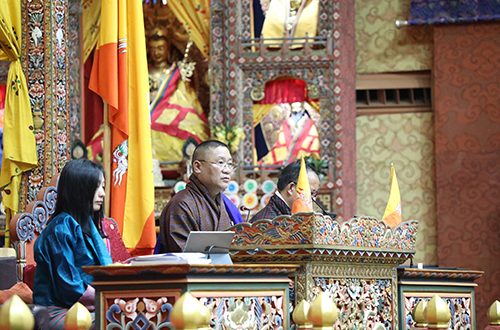
National Assembly (NA) on 20th June 2025 adopted the Alternative Dispute Resolution (Amendment) Bill of Bhutan 2024 with all the 4 Members of Parliament present voting in favor. The Agreement will now be transmitted to the National Council (NC) as per the Rules of Procedure.
Major changes were made in the title of the ADR Center’s administrator from “Chief Administrator” to “Secretary General” of Section 5. Along with the change in title the qualification has now changed from a work experience minimum of 10 years to a minimum of 15 years of Section 8.
Another change was on Section 14 which stated that the Chief Administrator and the employees who are civil servants shall resign from the civil service upon appointment to the ADR Center. Now, the Chief Administrator/ Secretary General and the employees who are civil servants or from the judiciary shall not resign from the civil service upon appointment to the Center. Further, people from the private sectors are eligible to be employed by the Center.
One major change that sparked debate in the NA was around the scope of appeal rights for decisions made by arbitral tribunals.
High Court appeal is just minor procedural change and two interim measures in 39, 85, 126.
Section 39 of the original Bill states, “If a party is aggrieved by an order issued under section 38 of this Act, he or she may appeal to the higher court within ten working days of the receipt of order.”
Section 85 states, “If the arbitral tribunal rules on a plea that it has jurisdiction, any party, within ten working days of receipt of decision, may appeal to the High Court to decide the matter.”
Section 126 states, “An appeal against a decision on recognition or enforcement of interim measure by a competent court may be submitted to the High Court within ten working days from the delivery of such decision on recognition or enforcement.”
However, the NC recommended that in all the above 3 sections, a may appeal to the High Court within ten working days of the receipt of order. However, the decision of the High Court shall not be subject to appeal. NA accepted the amendment.
Legislative Committee Chairperson, Kuenga, shared that the final appeal is already awarded in Section 151, 154, and 157.
The Amendment of the ADR Bill was initiated by the NC and passed to the NA for further deliberations.
NC recommended changes in the several term of the sections such as “negotiated settlement” to “mediation” which was rejected by the LC and the House, keeping the original term.
LC Chairperson said that mostly minor changes, such as terms in Dzongkha, were amended aligning with the English terms.
The House deliberated on all 182 Sections and endorsed all amendments by the LC.
The Alternative Dispute Resolution (Amendment) Bill of Bhutan 2024, proposes revisions to Bhutan’s existing Alternative Dispute Resolution Act of 2013. Its primary purpose is to refine the framework for resolving disputes outside of traditional court litigation, emphasizing methods like arbitration and conciliation.
Further, the amendments aim to strengthen the legal framework for alternative dispute resolution in Bhutan by professionalizing the Bhutan ADR Center, enhancing institutional integrity, and aligning national practices with international standards.