The Bhutanese Leading the way.

Bhutan’s healthcare system is facing a widening nursing workforce gap, driven largely by high attrition, forcing the Ministry of Health to rely on short-term foreign recruitment to ensure uninterrupted patient care.
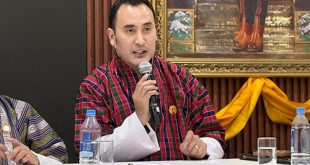
During the 23rd Meet the Press Session, Dr Kuenzang Wangdi, the Director of National Medical Services, said the entire country currently has 1,696 nurses against an approved standard of 2,376.
Moreover, at the Jigme Dorji Wangchuck National Referral Hospital (JDWNRH), there are 703 nurses against the approved requirement of 881, of whom 39 are on extraordinary leave (EOL), and 15 are on long-term training (LTT).
The shortage has been compounded by a sharp rise in attrition. The attrition rate among nurses increased from 4.01 percent in 2022 to 16.1 percent in 2023. In 2024, the attrition rate stood at 11.6 percent, with 170 nurses leaving the service.
To address the immediate staffing gap, the Ministry initiated the recruitment of Indian nurses as a one-year interim measure.
Kuenzang Wangdi said their arrival has helped sustain essential health services, particularly at JDWNRH.
According to the Ministry, all foreign nurse recruits are placed at JDWNRH and deployed across departments based on requirements. This strategy allows foreign nurses to work alongside national nurses, enabling them to familiarize themselves with and adhere to National Nursing Standards and practices.
All foreign nurse recruits hold a minimum qualification of BSc Nursing. Their pay package ranges from Nu 65,291 to Nu 86,105, depending on work experience. Nurses with two to five years of experience receive Nu 65,291, those with six to ten years receive Nu 72,985, and those with more than ten years of experience receive Nu 86,105.
“The pay has been fixed in alignment with the pay scale and entitlements of national nurses from P4A to P2A, with an additional 30 percent contract allowance and a monthly house rent allowance of Nu 15,000,” Kuenzang Wangdi said.
He clarified that the salaries of foreign nurses are fully funded through the Government of India’s Project Tied Assistance (PTA) grant, with no allocation from the Economic Stimulus Plan or any cost-sharing arrangement.
“The difference in pay is minimal. Initially, the difference was only the 30 percent contract allowance,” he said. “However, we could not attract any candidates with this package. Subsequently, with the approval of the Ministry of Finance, a monthly house rent allowance of Nu 15,000 was added as additional remuneration.”
Despite these incentives, the Ministry continues to face challenges in attracting nurses from India, resulting in delays in recruitment. Of the 115 Indian nurses finalized for recruitment, only 25 have been recruited so far. Interviews for 76 additional nurses were conducted in India last week, and the selection process is currently underway.
Kuenzang Wangdi expressed appreciation for the commitment of foreign nurse recruits, noting that many pursued their education independently and chose to serve in Bhutan despite personal sacrifices. The Ministry also stated that their contribution enriches the health system and deserves recognition and fair consideration in terms of compensation.
While foreign recruitment remains a necessary short-term measure, the Ministry emphasized that its long-term focus is on strengthening the domestic nursing workforce. “We remain committed to building a resilient healthcare workforce,” Kuenzang Wangdi said. “While the recruitment of Indian nurses has been necessary, the Ministry continues to invest in training, retention, and professional development of Bhutanese nurses.”
In 2025 alone, the Ministry recruited 312 Bhutanese nurses, including 83 clinical nurses and 229 staff nurses, and continues to absorb overseas returnees. Plans are also underway to increase the intake of nursing students, health assistants, and technicians at KGUMSB.
The Ministry said that increasing in-country training capacity is aimed at reducing long-term dependence on foreign workers, reiterating that foreign nurse contracts remain short-term in nature.