The Bhutanese Leading the way.
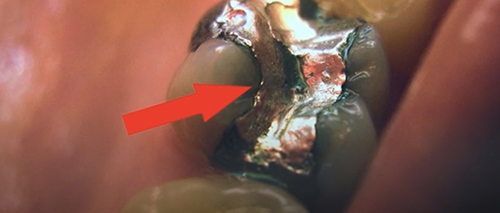
Bhutan has moved away from mercury-containing dental fillings. Known as dental amalgam, the filling material is made from a mixture of metals, including liquid mercury, silver, tin, and copper. It has been widely used because of its strength and durability. However, mercury is a toxic substance that can pose risks to human health and the environment when released.
The focal person for the Dental Department at the National Medical Services said Bhutan has already stopped using mercury-containing dental fillings in its dental clinics. He said the country began phasing out the material in 2015, and by 2017, existing stocks had been exhausted.
However, some people still travel to border clinics to access mercury-containing fillings, he said, mainly because they provide an immediate solution.
He cautioned that the long-term effects of mercury exposure can be concerning, particularly for vulnerable groups.
“Long-term exposure can have serious effects, especially on pregnant women and children. It can affect brain development,” he said.
Studies have shown that dental amalgam fillings can contribute to increased mercury exposure in the body, with higher numbers of amalgam fillings associated with higher mercury levels detected in individuals.
The move away from dental amalgam in Bhutan comes as countries worldwide work towards meeting commitments under the Minamata Convention on Mercury. In 2025, parties to the convention adopted a decision to phase out dental amalgam globally by 2034, marking a shift from reducing its use to eliminating it.
Health officials advise the public not to seek such fillings from border clinics where they may still be available. Instead, they encourage patients to opt for the mercury-free alternatives offered in the country, which are considered safer for both human health and the environment.
According to the United Nations Environment Program (UNEP), an estimated 3,000 to 5,000 metric tonnes of mercury are currently contained in dental fillings worldwide. UNEP says replacing dental amalgam with mercury-free alternatives, while ensuring the safe management of existing amalgam waste, is essential to reducing mercury pollution and protecting public health.