The Bhutanese Leading the way.
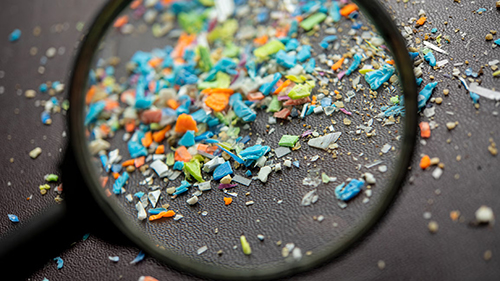
A recent study by the Royal Centre for Disease Control (RCDC) has confirmed a concerning new reality for residents of the capital: microplastics are present in the majority of Thimphu’s water sources, including bottled water.
These tiny plastic fragments, measuring less than five millimetres, have sparked questions regarding the long-term safety of the nation’s drinking supply.
In response to these findings, the Ministry of Health (MoH) acknowledged that while microplastic pollution is an “emerging global environmental and public health concern,” Bhutan is currently navigating a landscape of scientific uncertainty, emphasizing that while it is a concern, it is not something to panic about.
The MoH pointed out that, according to the World Health Organization (WHO), there is no internationally established “safe limit” or regulatory standard for microplastics in drinking water at this time.
Because global technical capacity and data on the toxicity of these particles are still developing, the MoH’s current regulatory framework continues to focus on more immediate, well-known threats.
“Our foremost priority remains ensuring that drinking water is free from pathogens such as E. coli and maintaining safe water treatment standards,” a ministry spokesperson stated.
Additionally, during the 27th Meet-the-Press, Lyonpo Tandin Wangchuk, MoH said that the public needs to be aware of correct plastic-bottled water storage.
These mineral bottled waters must not be exposed to sunlight as it would trigger carcinogenic particles.
Ambitious Targets in the 13th Five-Year Plan
Despite the complexities of microplastic monitoring, the government is pushing for a significant overhaul of water safety.
Under the 13th Five-Year Plan, Bhutan aims to increase the proportion of the population with access to safely managed drinking water services from 70.3 percent in 2023 to 90 percent by the end of the plan period.
To achieve this, the MoH is banking on the Bhutan Drinking Water Quality Standard 2025, a national framework designed to strengthen water infrastructure and testing systems.
This effort involves a cross-sectoral collaboration between the Ministry of Infrastructure and Transport, the Ministry of Energy and Natural Resources, and Local Governments.
Seeking global expertise and public support
The MoH has also initiated discussions with the WHO and other development partners to explore technical collaborations and learn from global best practices regarding plastic contamination.
However, the MoH was clear that the government cannot solve the plastic problem in isolation.
In a direct appeal to the public, the MoH called on citizens, communities, and the media to support water safety by reducing plastic consumption and practicing responsible waste management.
As the science on microplastics evolves, the message from health officials is clear: while the government strengthens its infrastructure, the protection of local water sources remains a collective national responsibility.